Couscous
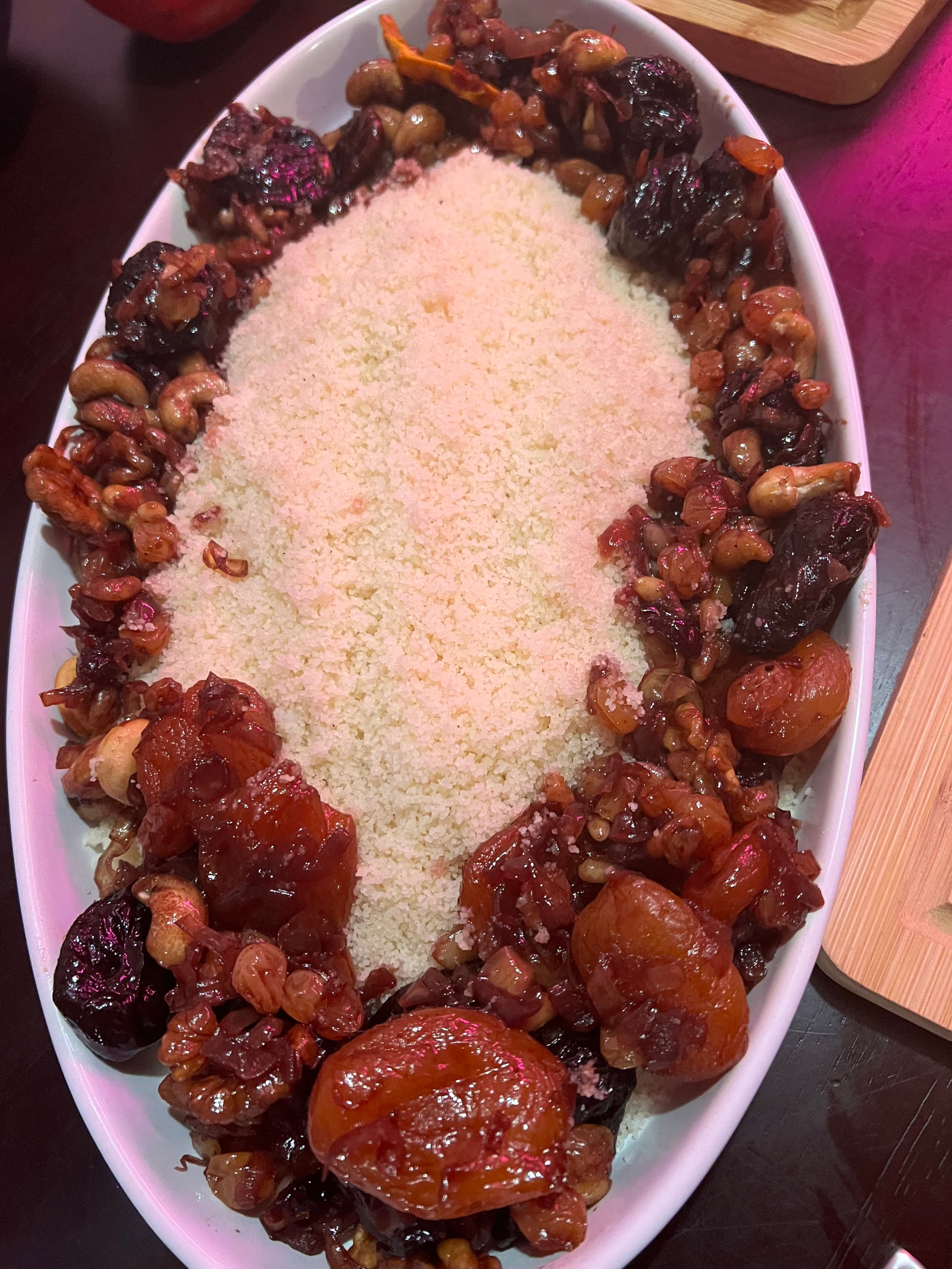
Tiny steamed semolina granules, hand-rolled and traditionally steamed three times over a simmering stew, served heaped with vegetables and meat: the Friday and celebration table of the Maghreb.
Does your family know it this way?
The names it answers to
- SeksuTamazight (Amazigh)
MEANING
In many Amazigh and wider Maghrebi households, couscous is specifically the Friday meal, tying the dish to the weekly rhythm of communal prayer and family gathering.
The triple steaming, done by hand in a couscoussier, is a technique passed down and still judged carefully: fluffy, separate grains are the mark of a skilled cook.
Meanings are plural by design: your family may hold another. Dispute or add below; disagreement is recorded, never erased.
When it appears
Ingredients, in sketch
Named components, not a recipe: no quantities, no method unless the making itself is part of the custom.
How it is made
- 1
The roll
Semolina is sprinkled with water and hand-rolled into fine granules.
- 2
The triple steam
The granules are steamed over the simmering stew below, fluffed, and steamed again, traditionally three times.
Etiquette
- Often served on one large shared platter, with the meat and choicest vegetables placed toward guests or elders.
Who eats it
Provenance
- generated: 2026-07-10
- source: Model-knowledge aggregation pass (2026-07-10); unverified, awaiting community affirmation.
This entry is a hypothesis awaiting its people. If your family holds this dish differently, that difference is exactly what we want recorded.
Nearby in the library
Tagine
A slow-cooked stew of meat, vegetables, and often dried fruit or preserved lemon, named for the cone-lidded clay pot it is cooked and served in.
Amazigh


Isitshwala
A firm, stiff maize porridge, cooked until it holds its shape, torn by hand and used to scoop relish: the daily anchor of the Southern African plate.
Shona · Ndebele · Zulu +5





Amasi
Naturally fermented, thickened milk, tangy and slightly effervescent, traditionally left to sour in a calabash: a daily food and, historically, a measure of a homestead’s cattle wealth.
Zulu · Xhosa · Swazi +1