Aso oke
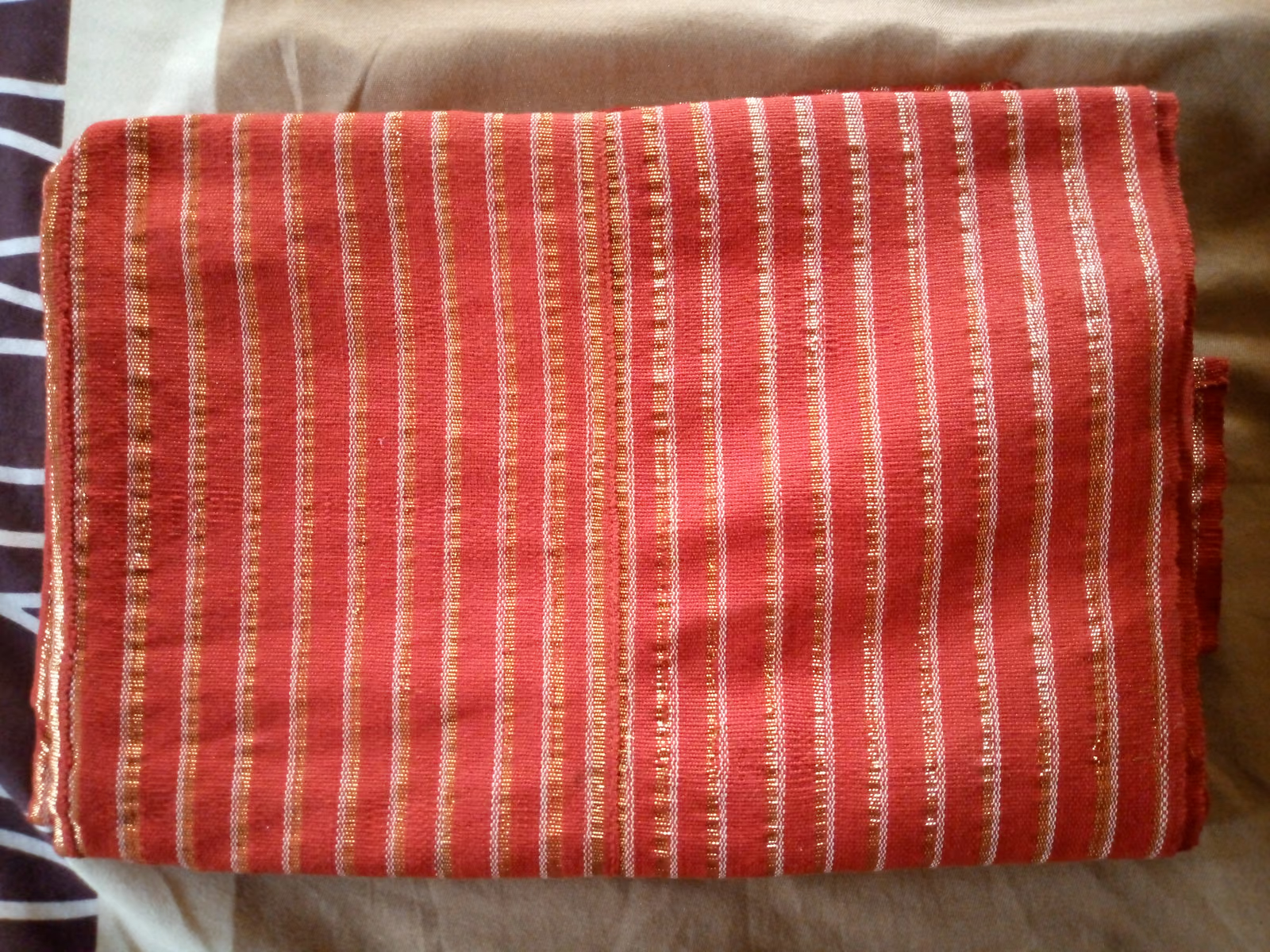
A heavier, hand-woven Yoruba cloth in rich colour and texture, tailored into agbada, gele, and other formal wear specifically for weddings, chieftaincy, and major ceremony.
Does your family know it this way?
The names it answers to
- Aso okeYoruba · literally "top cloth"
MEANING
Its name, "top cloth," reflects its status as the finer, more prestigious fabric choice, worn above everyday dress for the moments that matter most.
Coordinated aso oke worn by a whole family or wedding party (aso ebi) turns cloth into a visible statement of unity and celebration.
Meanings are plural by design: your family may hold another. Dispute or add below; disagreement is recorded, never erased.
Colour, pattern & material
When it is worn
Who wears it, and may I?
Yoruba men and women for formal and ceremonial dress; central to Yoruba wedding culture specifically.
Who wears this

Provenance
- generated: 2026-07-10
- source: Model-knowledge aggregation pass (2026-07-10); unverified, awaiting community affirmation.
This entry is a hypothesis awaiting its people. If your family holds or wears this differently, that difference is exactly what we want recorded.
Nearby in the library
Kente
A hand-woven strip cloth in bold geometric patterns and vivid colour, historically reserved for Asante royalty, now the most internationally recognised African textile.
Akan
Adire
Indigo-dyed cotton cloth, resist-patterned by hand using stitching, tying, or starch-painting before dyeing, an Egba Yoruba craft tradition centred in Abeokuta.
Yoruba
Aso ebi
A single fabric chosen for one specific event, bought and tailored by the hosting family and their guests so everyone appears in coordinated, sometimes identical, dress.
Yoruba