The attire library
What we wear. And what it says.
44garments, cloths, and ornaments and counting, from kente’s named colour-patterns to a Zulu isicholo to a Tuareg tagelmust: what each piece is, what it signifies, and who may wear it.
Not a fashion catalogue: no shopping links, no styling advice. Every entry treats dress as material culture and answers the question most visitors actually have — can I wear this? Filter by category, region, country, or people; every claim wears its badge.
Also on this shelf: the customs library and the cuisine library →
Showing 1–12 of 44
Adire
Indigo-dyed cotton cloth, resist-patterned by hand using stitching, tying, or starch-painting before dyeing, an Egba Yoruba craft tradition centred in Abeokuta.
Yoruba
Agbada
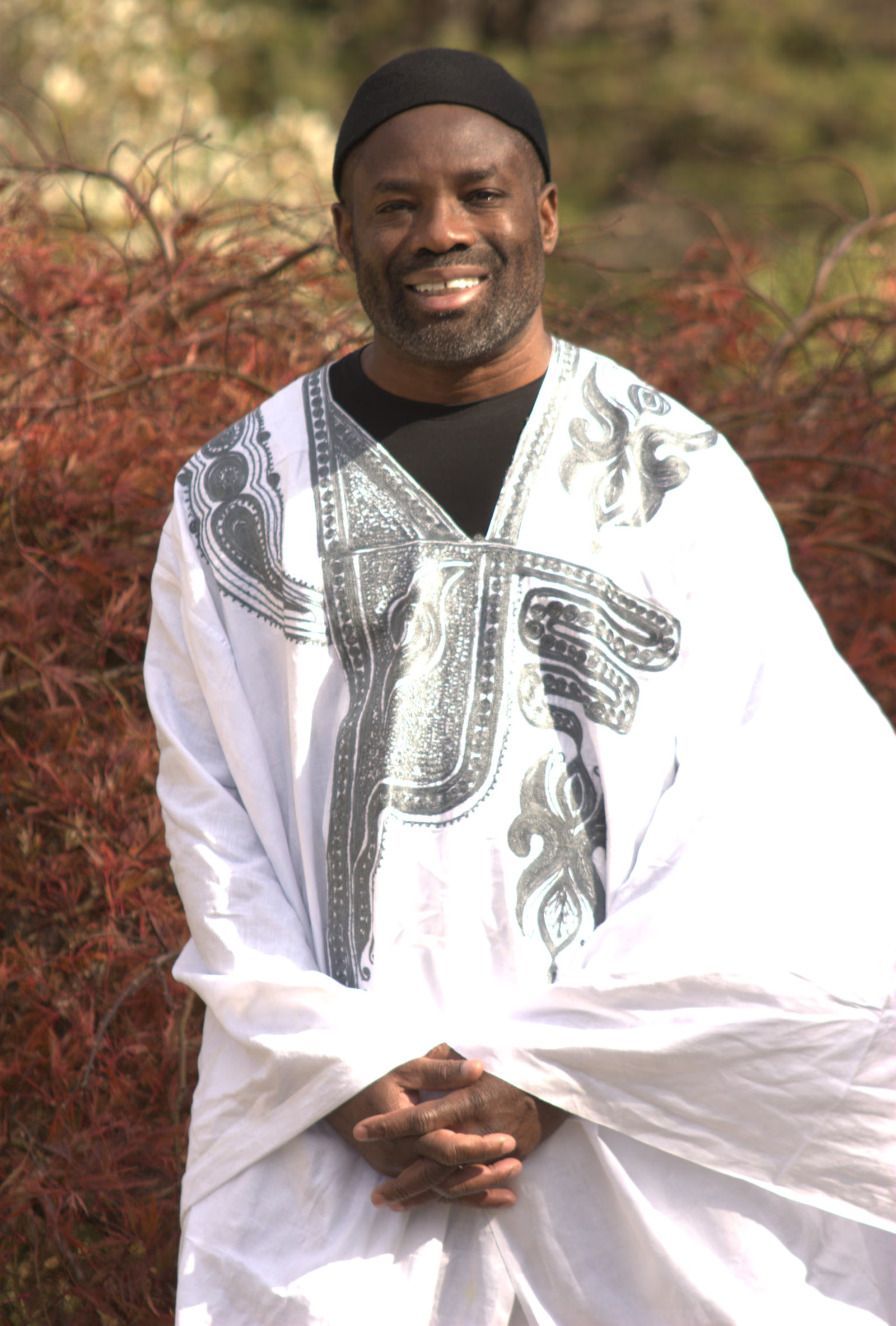
A voluminous, wide-sleeved flowing robe worn over a matching tunic and trousers, the formal dress of Yoruba and Hausa men for the most significant occasions.
Yoruba · Hausa
Akwete cloth
A heavy, hand-woven Igbo cloth on a vertical loom, historically the domain of women weavers in the town of Akwete, patterned with bold geometric and figurative motifs.
Igbo
Amazigh silver jewellery
Heavy silver jewellery, fibulae, headpieces, and bracelets, often set with coral, amber, or enamel, worn by Amazigh (Berber) women and passed down as family heirlooms.
Amazigh
Aso ebi
A single fabric chosen for one specific event, bought and tailored by the hosting family and their guests so everyone appears in coordinated, sometimes identical, dress.
Yoruba
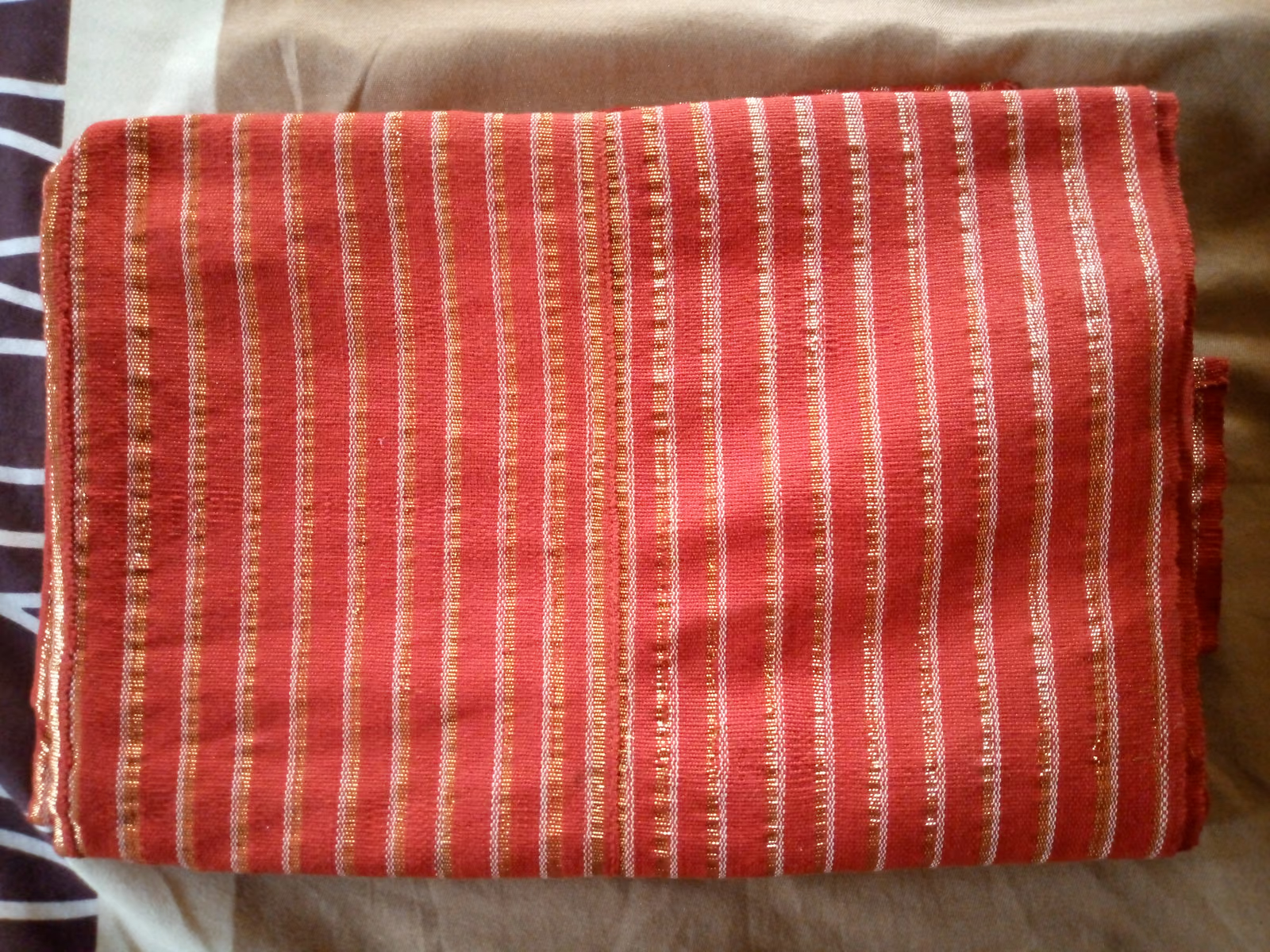
Aso oke
A heavier, hand-woven Yoruba cloth in rich colour and texture, tailored into agbada, gele, and other formal wear specifically for weddings, chieftaincy, and major ceremony.
Yoruba
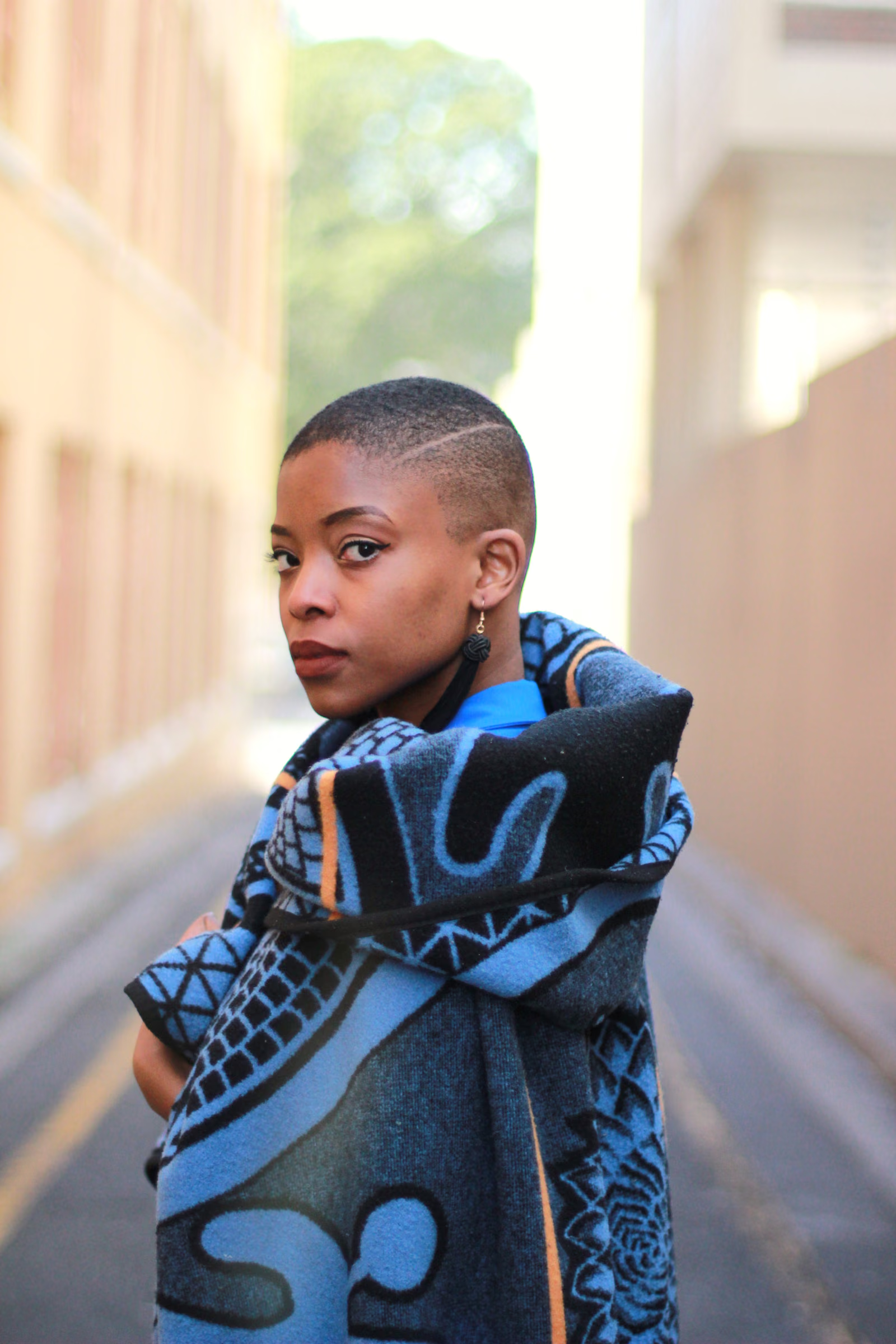
Basotho blanket
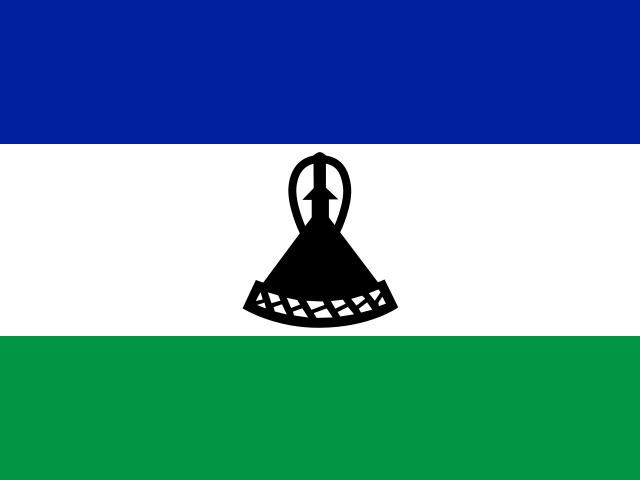
A thick, boldly patterned wool blanket, worn draped over the shoulders and pinned, so central to Basotho identity that it appears on Lesotho’s own iconography.
Basotho
Bogolanfini
Handwoven cotton cloth dyed with fermented mud and plant dyes into bold, often black-and-cream geometric patterns, a Malian Mande textile tradition with deep symbolic vocabulary.
Mandinka / Mandé
Boubou
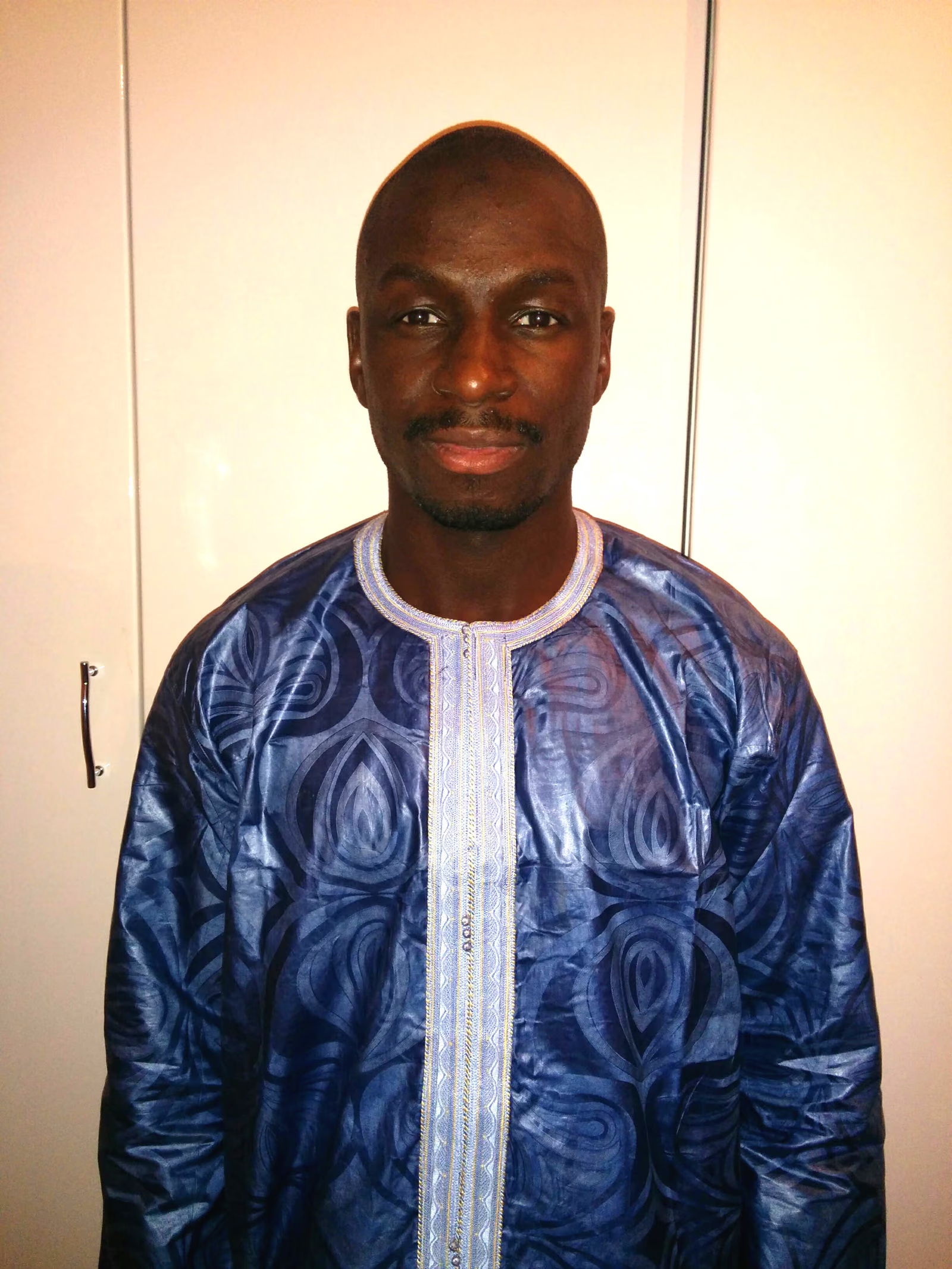
A wide, flowing robe with generous sleeves, worn over matching trousers, the everyday and formal dress of Wolof and Mandinka men and, in a fitted women’s version, of women across the Sahel.
Wolof · Mandinka / Mandé
Coptic wrist tattoo
A small, simple cross tattooed on the inside of the wrist, a tradition among Coptic Christians in Egypt, often applied in childhood and worn for life as a permanent, visible mark of faith.
Coptic Orthodox Christians
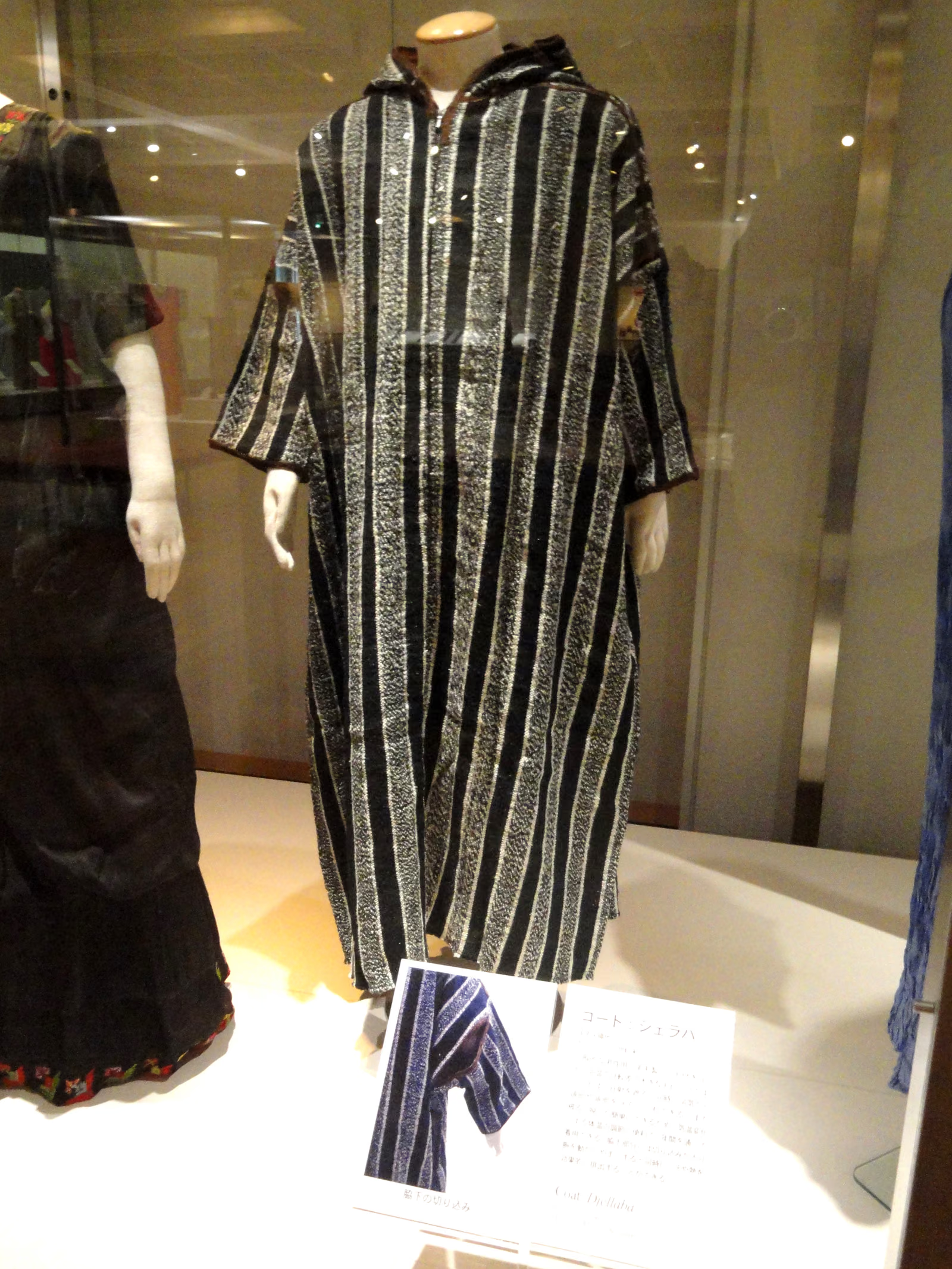
Djellaba
A long, loose, hooded robe worn by both men and women across the Maghreb, practical for weather and modesty alike, worn daily and, in finer versions, for Friday prayer and celebration.
Amazigh
Doek
A headwrap tied from a square of fabric, worn daily and for ceremony across South African communities, its knot style and fabric choice carrying its own small vocabulary.
South Africans · Xhosa · Zulu
Photographs by Daderot (Public domain), Erasmus Kamugisha (CC BY-SA 4.0), Ethan Doyle White (CC BY-SA 4.0), Geossegawa (CC BY-SA 4.0), InfoATemeagwaliDOTcom (CC BY-SA 3.0), Jeremyida002 (CC0), Khobbyyyy (CC0), Lady.Xhosa (CC0), Mady-khoullé Sylla (CC BY-SA 4.0), Mary Harrsch (CC BY-SA 4.0), Maryam Mgonja (CC BY-SA 4.0), Merriammahlaule.mm (CC BY-SA 4.0), MphoTsuene (CC BY-SA 4.0), msafari2425 (CC BY 2.0), Ssemmanda will (CC BY-SA 4.0), Unknown author (CC BY 3.0), USBSMG1 (CC BY-SA 4.0) and Zoeloes (CC0). Each entry carries its own full credit and source.