Djellaba
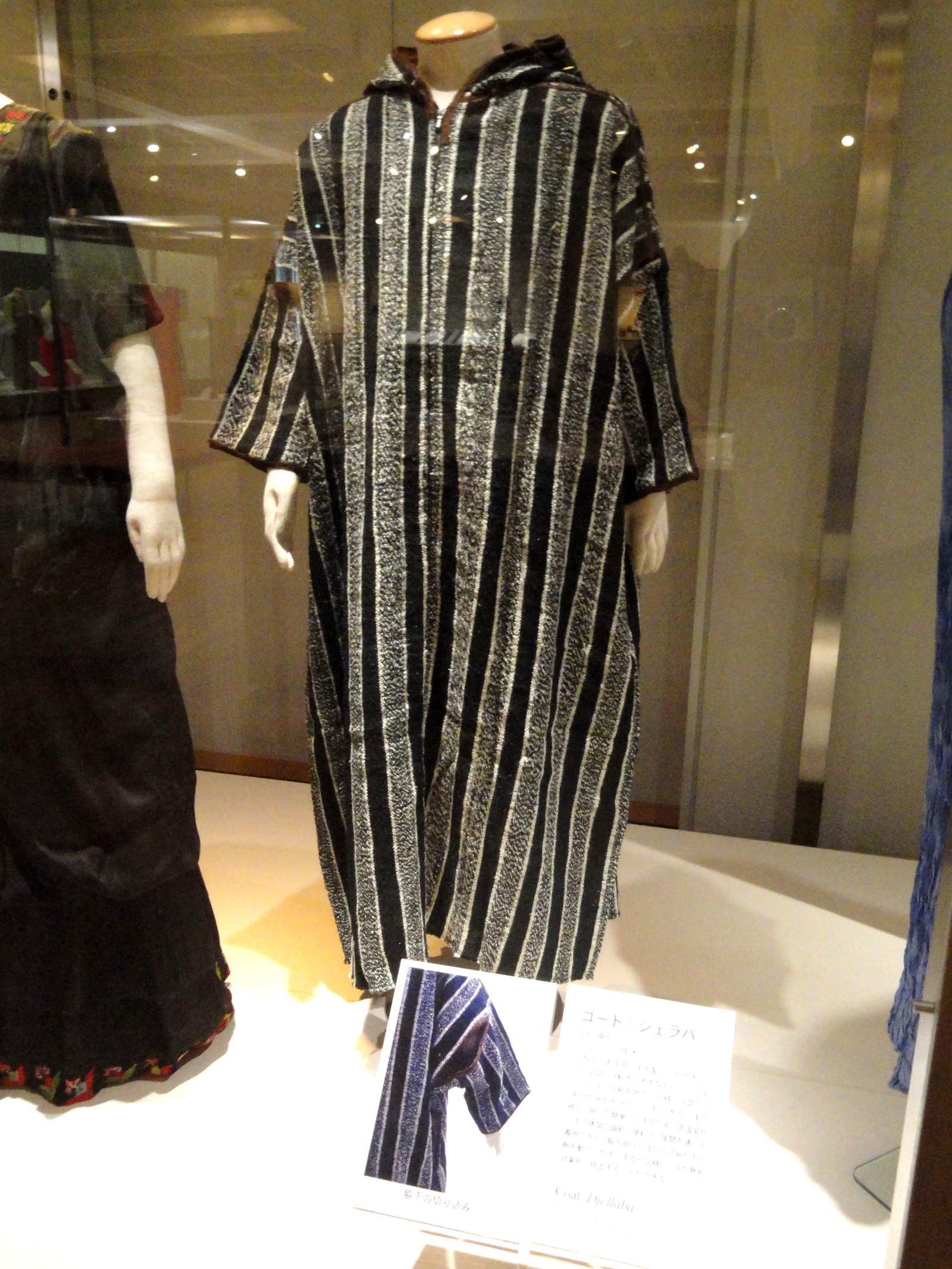
A long, loose, hooded robe worn by both men and women across the Maghreb, practical for weather and modesty alike, worn daily and, in finer versions, for Friday prayer and celebration.
Does your family know it this way?
The names it answers to
- DjellabaTamazight / Maghrebi Arabic
MEANING
The pointed hood (qob) can be raised against sun, wind, or cold, making the djellaba as functional as it is traditional; utility and identity are not separate here.
A finer, more decorated djellaba specifically for Friday prayers ties the garment to the same weekly rhythm as couscous’s place at the Friday table.
Meanings are plural by design: your family may hold another. Dispute or add below; disagreement is recorded, never erased.
Colour, pattern & material
When it is worn
Who wears it, and may I?
Amazigh and broader Maghrebi men and women, daily and for formal occasions; open to respectful wear by visitors, especially given as a gift.
Who wears this
Provenance
- generated: 2026-07-10
- source: Model-knowledge aggregation pass (2026-07-10); unverified, awaiting community affirmation.
This entry is a hypothesis awaiting its people. If your family holds or wears this differently, that difference is exactly what we want recorded.
Nearby in the library
Haik
A large, unstitched white or cream length of cloth wrapped around the body and often the head, historically worn by Amazigh and wider Maghrebi women as an outer garment for modesty and travel.
Amazigh
Umbhaco
The traditional Xhosa dress: a wrapped, often striped or checked garment worn with layered accessories, historically ochre-toned, now made in bold contemporary prints for ceremony.
Xhosa
Isidwaba
A pleated skirt made from tanned cowhide, traditionally the garment a Zulu woman receives and begins wearing at marriage, worked soft and supple by hand.
Zulu