Habesha kemis
A long, elegant white cotton dress with a woven, often colourful border (tibeb) at the hem, sleeves, and neckline: the formal dress of Ethiopian and Eritrean women.
Does your family know it this way?
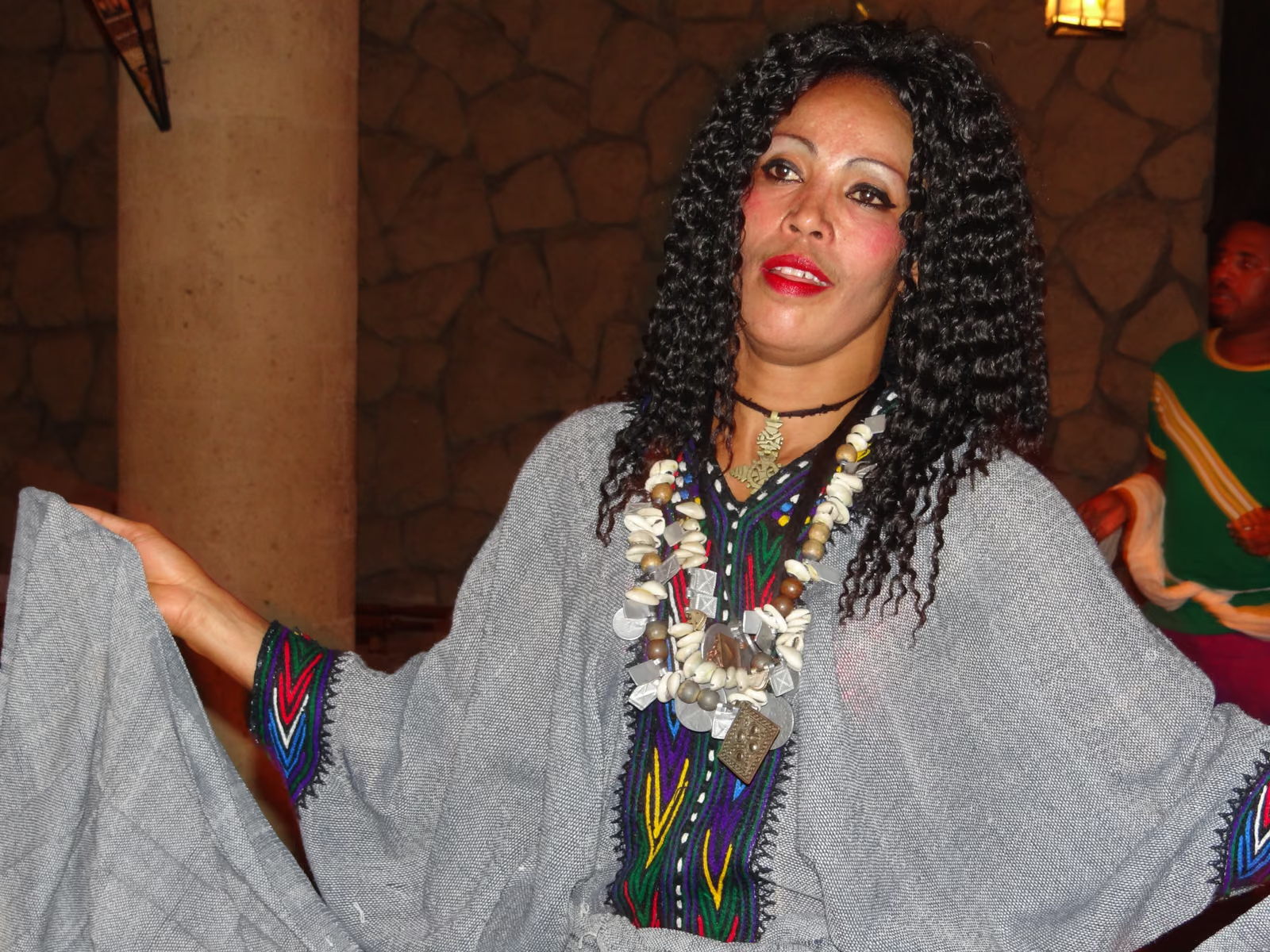
The names it answers to
- Habesha kemisAmharic
MEANING
The tibeb border’s pattern and colour combination can indicate region or personal taste, and finer, denser weaving signals a more special occasion.
Worn especially for weddings, religious festivals like Timkat, and other major celebrations, it is dress that marks an occasion as important the moment it is put on.
Meanings are plural by design: your family may hold another. Dispute or add below; disagreement is recorded, never erased.
Colour, pattern & material
When it is worn
Who wears it, and may I?
Ethiopian and Eritrean women, especially Amhara and Tigrinya communities, for formal and religious occasions.
Who wears this
Provenance
- generated: 2026-07-10
- source: Model-knowledge aggregation pass (2026-07-10); unverified, awaiting community affirmation.
This entry is a hypothesis awaiting its people. If your family holds or wears this differently, that difference is exactly what we want recorded.
Nearby in the library
Gabi
A thick, handwoven white cotton shawl worn draped over the shoulders, the everyday cold-weather counterpart to the finer netela worn for church and ceremony.
Amhara · Ethiopian & Eritrean Orthodox
Umbhaco
The traditional Xhosa dress: a wrapped, often striped or checked garment worn with layered accessories, historically ochre-toned, now made in bold contemporary prints for ceremony.
Xhosa
Isidwaba
A pleated skirt made from tanned cowhide, traditionally the garment a Zulu woman receives and begins wearing at marriage, worked soft and supple by hand.
Zulu