Leopard-skin regalia
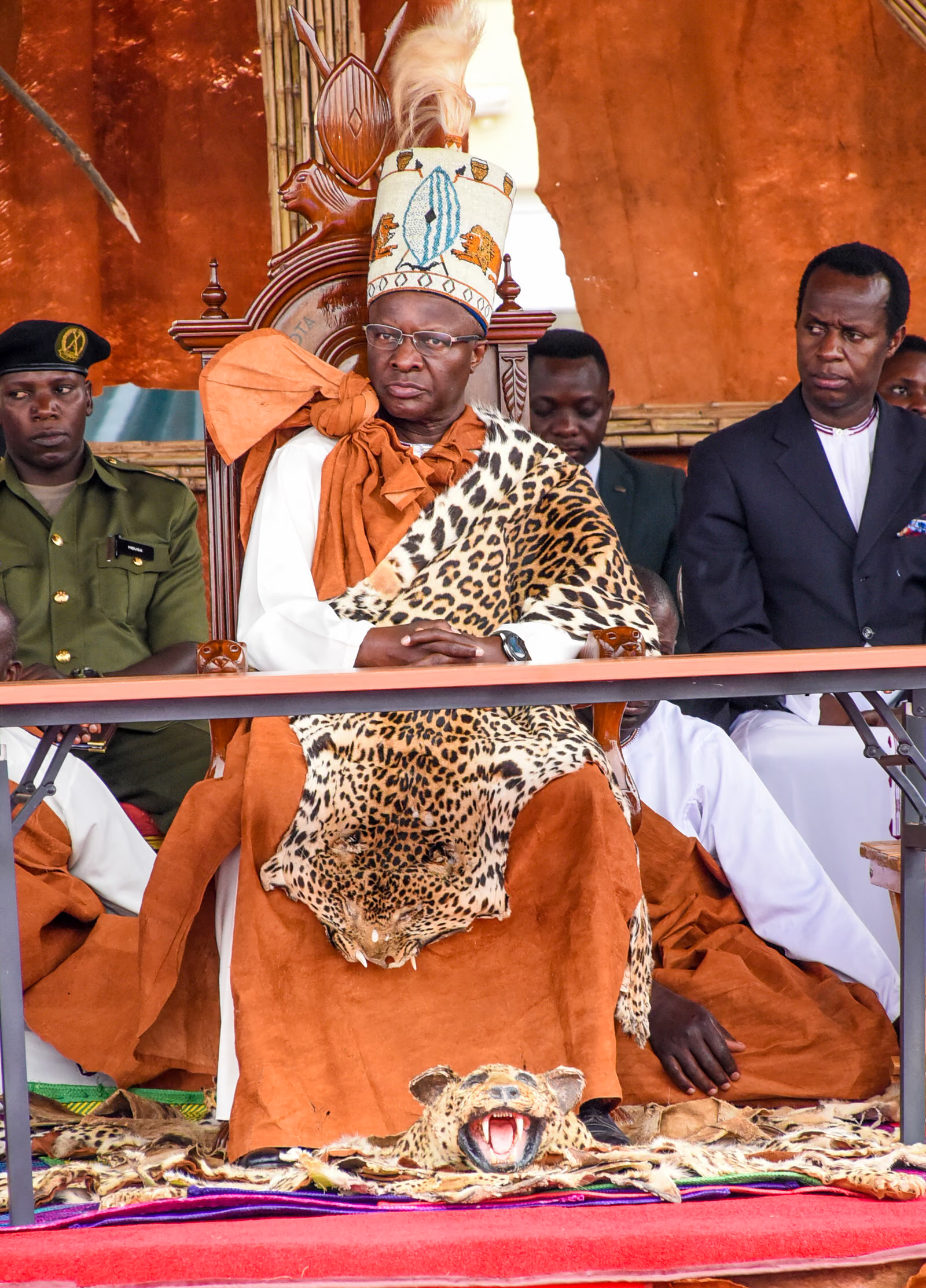
Leopard-skin capes, headbands, and sashes worn by Zulu and Swazi royalty and senior chiefs: the most visually potent marker of inherited authority in Nguni regalia.
Does your family know it this way?
The names it answers to
- IngweisiZulu / siSwati · leopard
MEANING
The leopard is associated with kingship and courage across the region; wearing its skin is a direct, physical claim to that lineage of authority, not decoration.
Access to genuine leopard skin has always been restricted by rank; today it is restricted further by conservation law, and faux alternatives are increasingly used.
Meanings are plural by design: your family may hold another. Dispute or add below; disagreement is recorded, never erased.
Colour, pattern & material
When it is worn
Who wears it, and may I?
Reserved for royalty, chiefs, and specific ceremonial office-holders. Not worn by ordinary community members, and never by outsiders.
Etiquette
- This is not costume: wearing leopard-print or skin regalia without the office it signifies is a real breach of protocol, not a fashion choice.
Who wears this
Held with care
Reserved regalia tied to specific chiefly and royal office. This entry describes its public meaning only; the full protocol around who may wear it and when is not detailed here.
Provenance
- generated: 2026-07-10
- source: Model-knowledge aggregation pass (2026-07-10); unverified, awaiting community affirmation.
This entry is a hypothesis awaiting its people. If your family holds or wears this differently, that difference is exactly what we want recorded.
Nearby in the library
Isicholo
A large, wide-brimmed hat woven from grass and cotton, dyed a deep red-brown, worn by married Zulu women: one of the most recognisable silhouettes in Southern African dress.
Zulu
Isidwaba
A pleated skirt made from tanned cowhide, traditionally the garment a Zulu woman receives and begins wearing at marriage, worked soft and supple by hand.
Zulu
Doek
A headwrap tied from a square of fabric, worn daily and for ceremony across South African communities, its knot style and fabric choice carrying its own small vocabulary.
South Africans · Xhosa · Zulu