Olubugo (bark cloth)
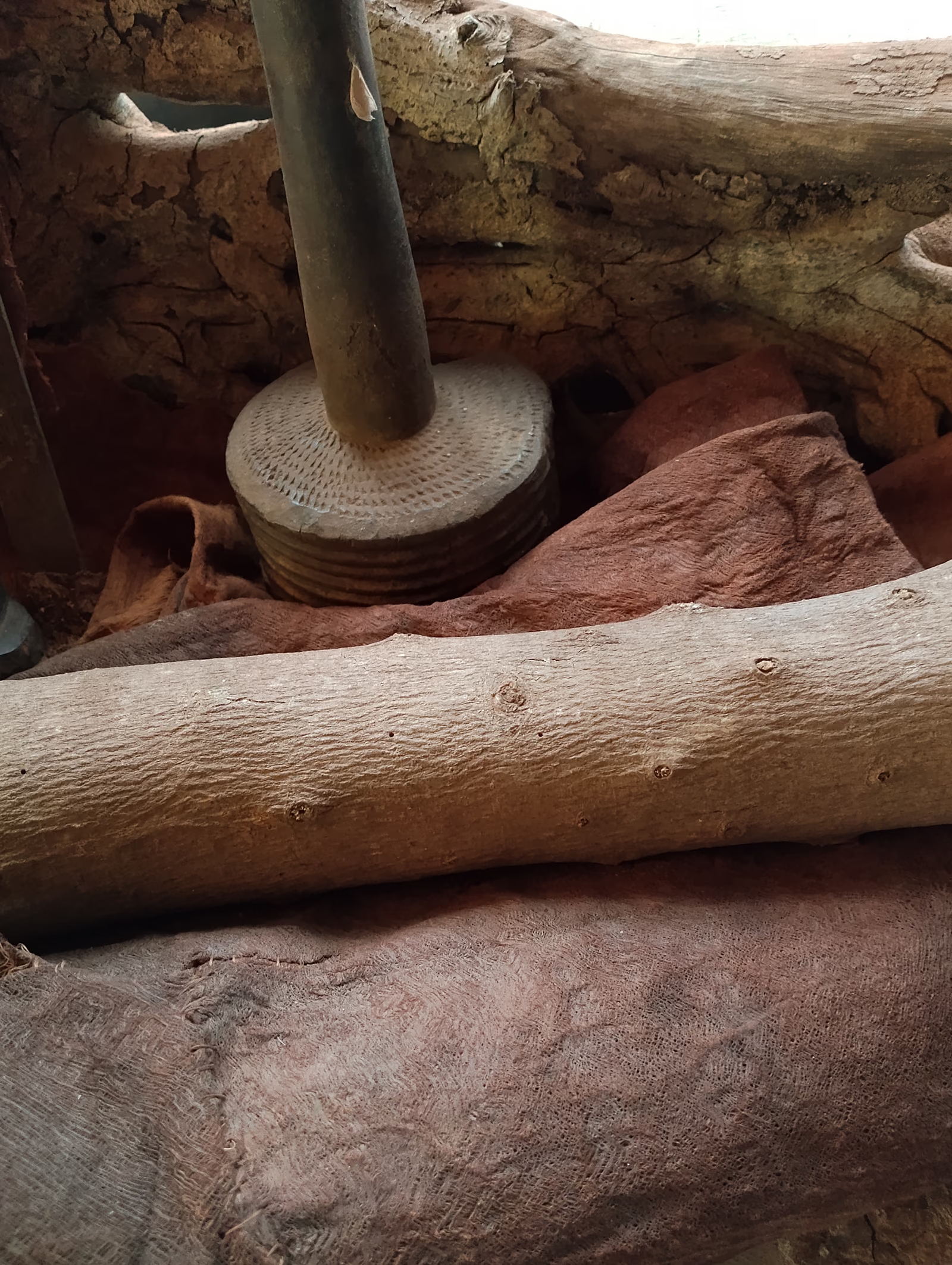
A soft, terracotta-coloured cloth beaten by hand from the inner bark of the mutuba fig tree, one of the oldest textile traditions in the world and central to Baganda ceremonial dress, listed by UNESCO as intangible cultural heritage.
Does your family know it this way?
The names it answers to
- OlubugoLuganda
MEANING
Made without weaving, spinning, or dyeing, purely by soaking and beating bark until it softens into cloth, it predates woven textiles in the region entirely.
Traditionally worn by kings and chiefs, and still used today for coronations, burials, and healing rituals, olubugo carries royal and sacred weight beyond ordinary dress.
Meanings are plural by design: your family may hold another. Dispute or add below; disagreement is recorded, never erased.
Colour, pattern & material
When it is worn
Who wears it, and may I?
Baganda royalty and elders for ceremonial use historically; today worn more broadly at cultural events, though the most formal ceremonial uses remain tied to specific roles.
How it is worn
- 1
The beating
Strips of inner bark are soaked, then beaten for hours with a grooved mallet until they soften and widen into a continuous cloth.
Who wears this
Held with care
Certain colours and uses of olubugo are tied to specific royal and funerary rites; this entry describes its general cultural role, not those specific protocols.
Provenance
- generated: 2026-07-10
- source: Model-knowledge aggregation pass (2026-07-10); unverified, awaiting community affirmation.
This entry is a hypothesis awaiting its people. If your family holds or wears this differently, that difference is exactly what we want recorded.
Nearby in the library
Shweshwe
A crisp, indigo-dyed printed cotton fabric with dense geometric patterns, historically stamped with a distinctive vinegar-like scent from its dye process: a foundational South African textile.
Xhosa · Basotho · South Africans
Basotho blanket
A thick, boldly patterned wool blanket, worn draped over the shoulders and pinned, so central to Basotho identity that it appears on Lesotho’s own iconography.
Basotho
Shuka
The red (or red-and-blue plaid) cloth wrap that has become the single most recognisable garment associated with the Maasai, worn draped and knotted over one or both shoulders.
Maasai