Xibelani
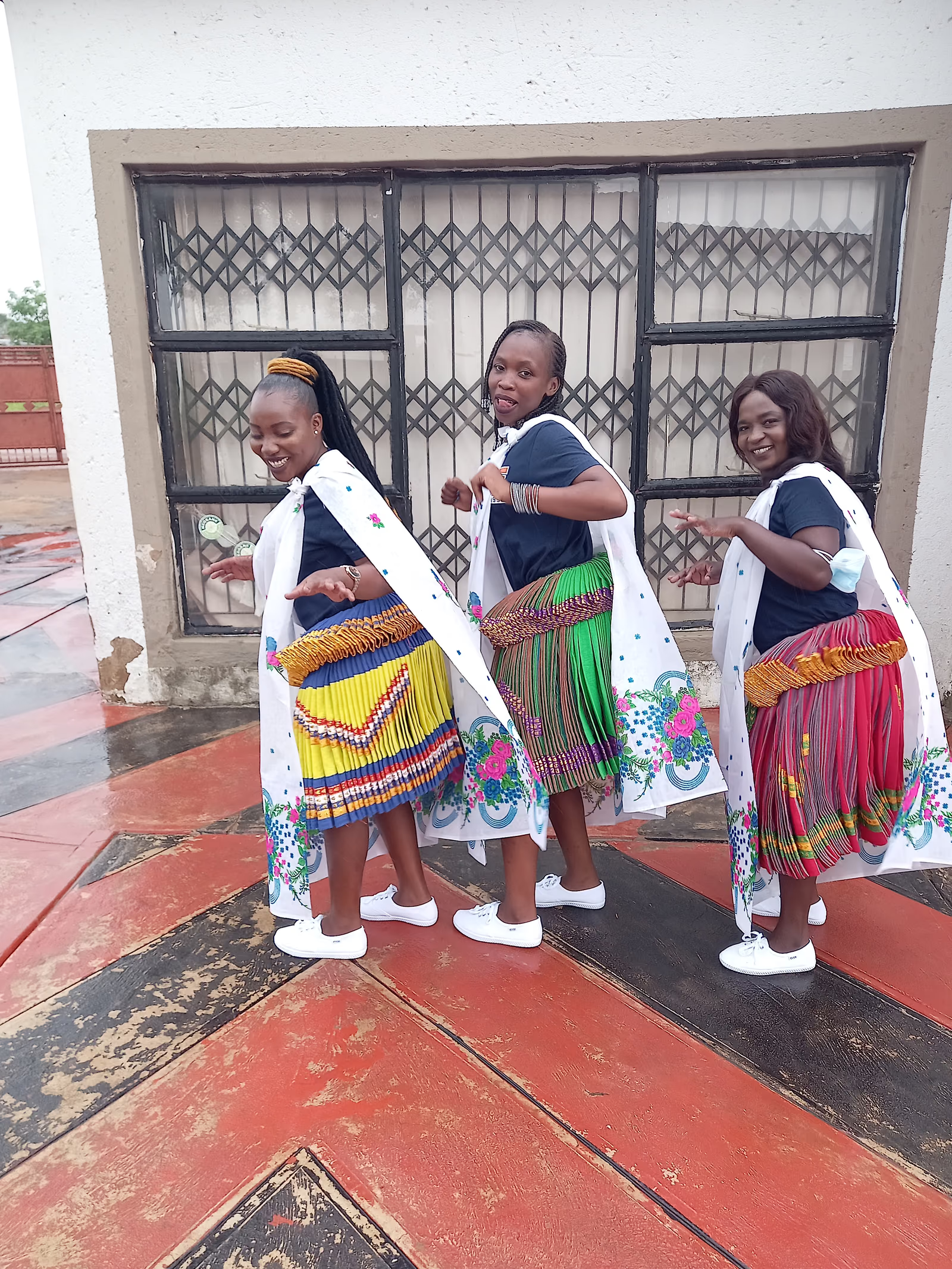
A short, densely layered skirt, historically weighted so its rapid hip movement drives the xibelani dance it is named for: garment and dance form a single tradition.
Does your family know it this way?
The names it answers to
- XibelaniXitsonga
MEANING
The skirt’s construction, tight layered fabric strips, exists specifically to make the dance’s signature hip motion visible and dramatic; the two cannot really be separated.
Wearing and dancing in xibelani at a gathering is itself a form of celebration and skill display.
Meanings are plural by design: your family may hold another. Dispute or add below; disagreement is recorded, never erased.
Colour, pattern & material
When it is worn
Who wears it, and may I?
Tsonga women, especially dancers; welcomed as festival wear by anyone attending a Tsonga cultural celebration where it is offered.
Who wears this

Provenance
- generated: 2026-07-10
- source: Model-knowledge aggregation pass (2026-07-10); unverified, awaiting community affirmation.
This entry is a hypothesis awaiting its people. If your family holds or wears this differently, that difference is exactly what we want recorded.
Nearby in the library
Umbhaco
The traditional Xhosa dress: a wrapped, often striped or checked garment worn with layered accessories, historically ochre-toned, now made in bold contemporary prints for ceremony.
Xhosa
Isidwaba
A pleated skirt made from tanned cowhide, traditionally the garment a Zulu woman receives and begins wearing at marriage, worked soft and supple by hand.
Zulu
Karosse
A cloak sewn from stitched animal skins, worn for warmth and status by Sotho, Tswana, and earlier Khoekhoe communities, historically signalling a household’s cattle or game wealth.
Basotho · Batswana