Alahamady Be · the Malagasy new year
Alahamady Be is the traditional Malagasy New Year, the first day of the month Alahamady, falling on or near the March full moon. In Imerina it is kept as Alahamadibe, a festival of the sacred bath held over three days according to ancestral customs.
Does your family know it this way?
The names it answers to
| Alahamady Be | Malagasy · the historical New Year, first day of the month Alahamady |
|---|---|
| Alahamadibe | Malagasy · the sacred bath festival of the New Year in Imerina |
| Taombaovao Alahamady | Malagasy |
What happens
Purification
The festivities begin with purification, starting with the purification of zebus by water from Ambatondrafotsy.
Arendrina
Fire is used to ward off bad spirits, and lanterns make the evening and night a festival of light.
Tsimandrimandry
A rite to communicate with the spirits.
The sacred bath
The Alahamadibe purification ceremony, the fandroana or sacred bath, is held.
Afo tsy maty
The eternal fire is lit and shared to mark the transition to the new year. The whole community attends, and it must stay lit until dawn.
Tatao
Boiled rice is shared to wish blessings.
Dihin'ny Ntaolo
A rite to give thanks to the spirits.
Tolotra hasina
Offerings are presented to Alahamadibe.
Honouring the elders
Solombodiakoho is presented to the Raiamandreny, elders over 70, as a sign of deep respect.
Rakitra and Nofon-kena mitam-pihavanana
These rituals follow.
Hira Gasy
The festival ends on the final day with Hira Gasy performances.
WHY
It honours King Ralambo, who according to history was born during the first moon of the month of Alahamady, and it has been handed down since his reign.
It marks the transition to the new year.
It is a period of joy, praise, reconciliation, blessing and mutual respect.
It reminds people of shared values: life, light, food, music, celebration and community.
Participants stop working for three days to fully celebrate their ancestral customs.
WHYs are plural by design: your family may hold another. Dispute or add below; disagreement is recorded, never erased.
Who practices it
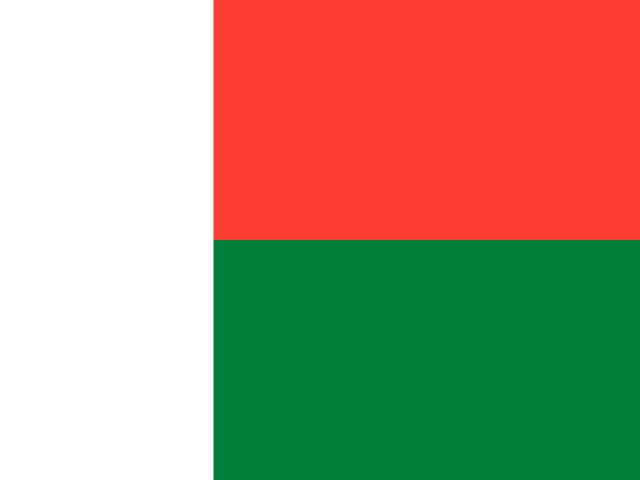
- Variant: It is held at several sites with different keepers: in Anosimanjaka by the Zanadranavalona, in Ambatofahavalo by the Alahamadibe council, and in Ambohimanga by the Mamelomaso association. The rituals are similar and have been handed down for centuries.
- Variant: It is honoured each year on the hills of Ankaratra, Ambonga, Ambatofahavalo and Ambohimanga.
- Variant: It is no longer widely celebrated, but some Malagasy people mark it as they re-engage with pre-colonial traditions.
If you are new here
The festival runs for three days, and elders over 70 are honoured with deep respect.
Held with care
Described at its public surface only.
Provenance
Where this comes from
- TRADITION - L’Alahamadibe célébré dans des lieux de l’Imerina · lexpress.mg · 10 statementsFound by a web search on lexpress.mg and read in full. A website is not edited or checked like a reference work: read it with care.
- Alahamady Be – unique and a shared human heritage · moneyformadagascar.org · 6 statementsFound by a web search on moneyformadagascar.org and read in full. A website is not edited or checked like a reference work: read it with care.
- Nouvel An malgache : la tradition de l’Alahamadibe, perpétuée à Ankazomalaza – Newsmada · newsmada.com · 6 statementsFound by a web search on newsmada.com and read in full. A website is not edited or checked like a reference work: read it with care.
Written by our research agents from these sources, in our own words, and checked against them by a second model. A source is not proof. If it is wrong, or your family holds it differently, put us right below.
- generated: 2026-11-28
- source: https://newsmada.com/2025/03/14/nouvel-an-malgache-la-tradition-de-lalahamadibe-perpetuee-a-ankazomalaza/
- source: https://www.lexpress.mg/2024/04/tradition-lalahamadibe-celebre-dans-des.html
- source: https://moneyformadagascar.org/alahamady-be-unique-and-a-shared-human-heritage/
This entry is a hypothesis awaiting its people. If your family does it differently, that difference is exactly what we want recorded.
Nearby in the library
Ukuthwasa · answering the healer’s calling
The path by which a person called by the ancestors (often through illness and dreams) apprentices under an established healer to emerge as a sangoma: diviner, healer, and bridge to the ancestors.
Zulu · Xhosa · Ndebele +1



Bwiti · the Fang initiation tradition
The spiritual discipline of the Fang and neighbouring peoples of Gabon, centred on initiation with the sacred iboga plant under strict elder guidance: a night-long passage seeking the ancestors.
Fang
Yennayer · the Amazigh new year
On 12–13 January the Amazigh world welcomes the agrarian new year (counting from 950 BCE and the pharaoh Sheshonq): a feast of couscous with the year’s wishes, first haircuts, and doors opened to good fortune.
Amazigh