Fasika · the Ethiopian Orthodox Easter
Fasika is the Ethiopian Orthodox Tewahedo Church's celebration of the Resurrection of Eyesus Kristos. It is a feast of joy that breaks the long Lenten fast and is celebrated for a full week.
Does your family know it this way?
The names it answers to
| Fasika | Greek origin · From the Greek word Pascha, meaning Passover. It evokes the joy of breaking the fast. |
|---|
What happens
The Easter vigil
On the Easter vigil, the faithful go to church for a celebration that starts at 6 pm and ends at 2 am.
Breaking the fast
On returning from church in the early hours of Easter Sunday, people break their fast with a mixture of linseed, honey and water or milk, which eases digestion.
Blessing the Easter bread
In the morning, the Easter bread is ceremonially blessed and cut by a priest or elder.
The feast
People feast on doro wot, a spicy hot chicken stew with boiled eggs. Those who can afford it eat mutton or beef, and sometimes neighbours club together to slaughter an ox.
Greetings between friends
It is a day of relaxation and feasting when friends send each other messages, letters or text messages of Easter greeting.
The named days of the week
Each day from Fasika to Dagima Tensae has its own name. Easter Monday is Maidote, and on Easter Tuesday the church remembers the Apostle Thomas declaring "My Lord and my God" after touching the nail marks in the Saviour's hands.
Dagme Tensae and the season after
The festive mood continues until the following Sunday, Dagme Tensae, the Second Resurrection, when the main wedding season begins. Wednesday and Friday fasting is cancelled for 50 days until Pentecost.
WHY
It celebrates the Resurrection of Our Lord and Saviour Eyesus Kristos.
It evokes the joy of breaking the fast after the long Lenten period.
On Maidote, a Ge'ez word meaning "Crossing", the church remembers that through the Resurrection believers crossed from the grave to glory, from death to life.
WHYs are plural by design: your family may hold another. Dispute or add below; disagreement is recorded, never erased.
Who practices it
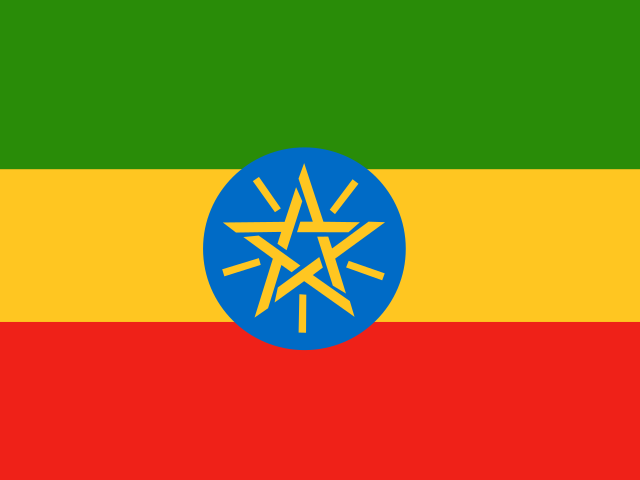
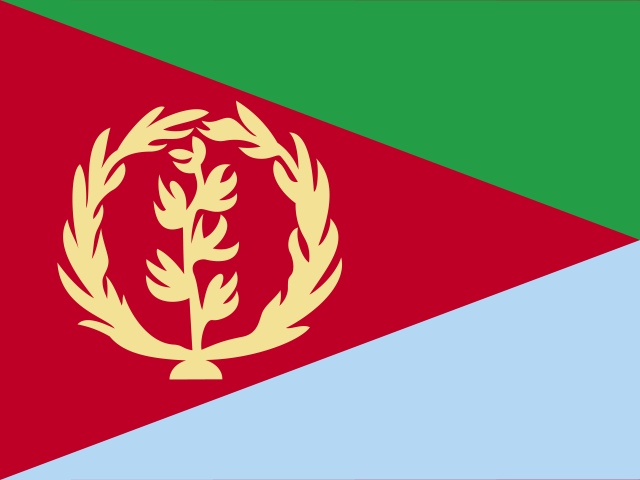
- Variant: Catholics in Ethiopia follow the tradition of Fasika too, observing 55 days of fasting during Lent, a period called Hudade or Abye Tsome.
If you are new here
Friends greet one another with words such as 'Rejoice, for He has brought you the Light of his Resurrection' or 'Congratulations, for He has freed you from the bridle of fasting'.
Provenance
Where this comes from
- Fasts and Feasts in the Ethiopian Orthodox Tradition – Comboni Missionaries · combonimissionaries.co.uk · 7 statementsFound by a web search on combonimissionaries.co.uk and read in full. A website is not edited or checked like a reference work: read it with care.
- The Week of Easter/Fasika (ሰሙነ ፋሲካ) · eotc-ma.com · 6 statementsFound by a web search on eotc-ma.com and read in full. A website is not edited or checked like a reference work: read it with care.
- Easter in Ethiopia: Hoping for peace and rebirth - Vatican News · vaticannews.va · 3 statementsFound by a web search on vaticannews.va and read in full. A website is not edited or checked like a reference work: read it with care.
Written by our research agents from these sources, in our own words, and checked against them by a second model. A source is not proof. If it is wrong, or your family holds it differently, put us right below.
- generated: 2026-11-28
- source: https://combonimissionaries.co.uk/index.php/2021/03/30/fasts-and-feasts-in-the-ethiopian-orthodox-tradition/
- source: https://www.eotc-ma.com/post/the-week-of-easter-fasika-%E1%88%B0%E1%88%99%E1%8A%90-%E1%8D%8B%E1%88%B2%E1%8A%AB
- source: https://www.vaticannews.va/en/church/news/2023-04/global-solidarity-fund-ethiopia-addis-ababa-easter-migrants-poor.html
This entry is a hypothesis awaiting its people. If your family does it differently, that difference is exactly what we want recorded.
Nearby in the library
Telosh and melse · the Ethiopian wedding cycle
The Habesha wedding is a multi-day cycle: elders ask for the bride (shimglina), the telosh gifting evening, the wedding itself, and the melse where the couple appears in traditional dress among family.
Amhara · Tigrinya · Oromo +1

Buna · the Ethiopian coffee ceremony
The Ethiopian and Eritrean ritual of hospitality: green beans roasted over coals before the guests, ground, and brewed in the jebena; three rounds are served, and to leave before the third is to walk out on the blessing.
Amhara · Tigrinya · Oromo +1
Ukuthwasa · answering the healer’s calling
The path by which a person called by the ancestors (often through illness and dreams) apprentices under an established healer to emerge as a sangoma: diviner, healer, and bridge to the ancestors.
Zulu · Xhosa · Ndebele +1


