Gena · the Ethiopian Christmas
Genna is the Ethiopian Christmas, kept on 29 Tahsas, a fixed date in the Ethiopian calendar that is published as 7 January, though in part of the four-year cycle it falls one day later in the Gregorian calendar. It is observed by the Ethiopian Orthodox Tewahedo Church and other Ethiopian and Eritrean churches.
Does your family know it this way?
The names it answers to
| Genna | Amharic · also written Gena or Ganna |
|---|---|
| Ledet | Tigrinya and Ge'ez · meaning "nativity" |
| Ayaana | Oromo |
What happens
The Fast of the Prophets
The feast is preceded by Tsome Nebiyat, the Fast of the Prophets, which lasts 43 days and begins on 15 Hidar (25 November).
A day of prayer on the eve
On the eve of Genna, Ethiopian Tewahedo Christians spend much or most of the day at church in prayer and praise.
The overnight Qeddase
The central ritual is an overnight Qeddase, the Divine Liturgy, on Christmas Eve, usually running from around 18:00 into the small hours. Almost everyone present wears the white cotton netela or shamma.
The game of Genna
Traditionally at Christmas, two teams of men play Genna, a native stick-and-ball game in which curved wooden sticks strike a wooden ball.
WHY
It marks the birth of Jesus: in Tigrinya and Ge'ez the feast is called Ledet, meaning "nativity".
The Genna game belongs to the season because, according to Ethiopian legend, shepherds first played it to celebrate the birth of Jesus, and it became tied to Christmas and to faith.
WHYs are plural by design: your family may hold another. Dispute or add below; disagreement is recorded, never erased.
Who practices it
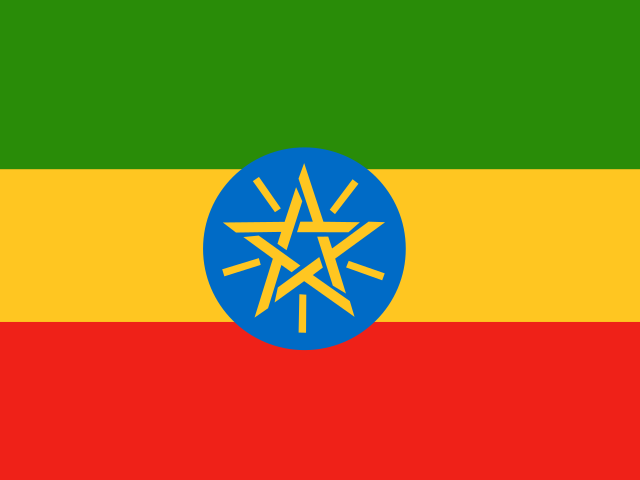
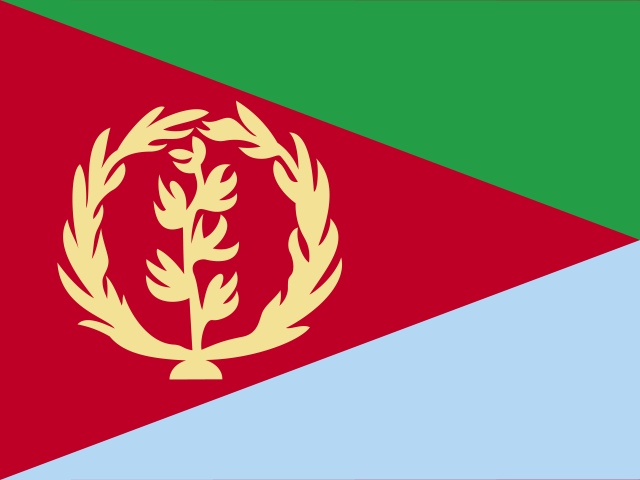
- Variant: Besides the Ethiopian Orthodox Tewahedo Church, it is kept by the Eritrean Orthodox Tewahedo Church, the Ethiopian Catholic Church and the P'ent'ay (Ethiopian Protestant) churches.
- Variant: In Lalibela the feast centres on the rock-hewn churches, with Christmas morning focused on Bete Maryam.
If you are new here
Expect a long overnight service, and note that almost everyone present wears the white cotton netela or shamma.
Provenance
Where this comes from
- Genna: Ethiopian Christmas on 7 January Explained · africatouroperators.org · 9 statementsFound by a web search on africatouroperators.org and read in full. A website is not edited or checked like a reference work: read it with care.
- How Great Thou Art: Religious Hockey-like Games in Ethiopia - The Hockey Museum · hockeymuseum.org · 4 statementsFound by a web search on hockeymuseum.org and read in full. A website is not edited or checked like a reference work: read it with care.
- Hockey Comes from Africa, not Europe or America · ebnemelek.substack.comFound by a web search on ebnemelek.substack.com and read in full. A website is not edited or checked like a reference work: read it with care.
Written by our research agents from these sources, in our own words, and checked against them by a second model. A source is not proof. If it is wrong, or your family holds it differently, put us right below.
- generated: 2026-11-28
- source: https://www.africatouroperators.org/ethiopia/genna-ethiopian-christmas/
- source: https://hockeymuseum.org/genna-hockey-ethiopia/
- source: https://ebnemelek.substack.com/p/hockey-comes-from-africa-not-europe
This entry is a hypothesis awaiting its people. If your family does it differently, that difference is exactly what we want recorded.
Nearby in the library
Telosh and melse · the Ethiopian wedding cycle
The Habesha wedding is a multi-day cycle: elders ask for the bride (shimglina), the telosh gifting evening, the wedding itself, and the melse where the couple appears in traditional dress among family.
Amhara · Tigrinya · Oromo +1

Buna · the Ethiopian coffee ceremony
The Ethiopian and Eritrean ritual of hospitality: green beans roasted over coals before the guests, ground, and brewed in the jebena; three rounds are served, and to leave before the third is to walk out on the blessing.
Amhara · Tigrinya · Oromo +1
Ukuthwasa · answering the healer’s calling
The path by which a person called by the ancestors (often through illness and dreams) apprentices under an established healer to emerge as a sangoma: diviner, healer, and bridge to the ancestors.
Zulu · Xhosa · Ndebele +1


