Homowo · the Ga hooting at hunger
Homowo is the yearly harvest festival of the Ga people of the Greater Accra Region of Ghana. Its name means "hooting at hunger", recalling how the Ga overcame a severe famine.
Does your family know it this way?
The names it answers to
| Homowo | Ga · means "hooting at hunger" |
|---|
What happens
The calendar is given
The festival takes place each year according to the Native Calendar given out by the Priest of the Fetish Dantu of the Damte Dsanwe people of the Asere Quarter.
Sowing of millet
In May, the traditional priests sow millet to begin the festival season.
The ban on drumming and noise
The priests then place a thirty-day ban on drumming and noise-making on the land. This quiet period is a time of peace, solemnity and reflection.
The celebrations begin
When the period of silence ends, the joyous celebrations commence.
WHY
Homowo means "hooting at hunger". It marks the joy of the Ga when their hunger ended.
It recounts the Ga migration. Ga oral tradition says a severe famine struck during the journey to present day Accra, and the people answered it with great efforts to grow food, which brought a bumper harvest.
The festival commemorates the triumph over famine and gives thanks for an abundant harvest, celebrating unity and resilience.
The silence before the festival creates an atmosphere of peace, solemnity and spiritual reflection ahead of the celebrations.
WHYs are plural by design: your family may hold another. Dispute or add below; disagreement is recorded, never erased.
Who practices it
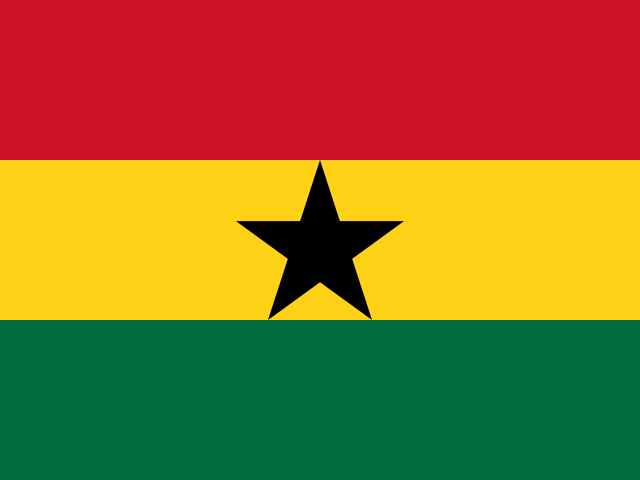
- Variant: Different Ga quarters celebrate at different times: the Ga-mashie group celebrates a little earlier than the La group.
At the table
2 dishes that belong to this custom.
Kpokpoi
Kpokpoi is a traditional meal of the Ga people, made mainly from steamed and fermented cornmeal, palmnut oil and okro.
Ga
Kenkey
Kenkey is a staple from the Ga and Fante-inhabited regions of West Africa: fermented maize dough that is partly cooked, wrapped, and then boiled or steamed into dumplings.
Ga
If you are new here
In the weeks before the festival, drumming and noise-making are banned as part of the preparations, so keep things quiet during this time of reflection.
Provenance
Where this comes from
- Homowo Festival · ghanaweb.com · 7 statementsFound by a web search on ghanaweb.com and read in full. A website is not edited or checked like a reference work: read it with care.
- Ga Traditional Council sets May 12 to June 12 for annual ban on drumming and noise-making · graphic.com.gh · 4 statementsFound by a web search on graphic.com.gh and read in full. A website is not edited or checked like a reference work: read it with care.
- The Homowo Story: How The Ga People Conquered Hunger · gbcghanaonline.comFound by a web search on gbcghanaonline.com and read in full. A website is not edited or checked like a reference work: read it with care.
Written by our research agents from these sources, in our own words, and checked against them by a second model. A source is not proof. If it is wrong, or your family holds it differently, put us right below.
- generated: 2026-11-28
- source: https://www.ghanaweb.com/GhanaHomePage/tribes/homowo_festival.php
- source: https://www.gbcghanaonline.com/news/the-homowo-story-how-the-ga-people-conquered-hunger/2025/
- source: https://www.graphic.com.gh/news/general-news/ga-traditional-council-sets-may-12-to-june-12-for-annual-ban-on-drumming-and-noise-making.html
This entry is a hypothesis awaiting its people. If your family does it differently, that difference is exactly what we want recorded.
Nearby in the library
Outdooring · the Akan and Ga eighth-day naming
On the eighth day the newborn is brought outdoors for the first time, shown to the sky and community, and given names including the day name that every Akan and Ga person carries.
Akan · Ga · Ewe

The braai · fire, meat, and everyone
Southern Africa’s great equalizer: a wood fire, meat, and unhurried company. Every community braais, and 24 September is celebrated by many as National Braai Day alongside Heritage Day.
South Africans · Zimbabweans · Afrikaners +5



Buna · the Ethiopian coffee ceremony
The Ethiopian and Eritrean ritual of hospitality: green beans roasted over coals before the guests, ground, and brewed in the jebena; three rounds are served, and to leave before the third is to walk out on the blessing.
Amhara · Tigrinya · Oromo +1