Kokawa · Hausa traditional wrestling
Kokawa is Hausa wrestling, a popular sport among the Hausa and a traditional one-on-one fight practised in Niger. Matches are held for entertainment or on religious holidays.
Does your family know it this way?
The names it answers to
| Kokawa | Hausa |
|---|---|
| Kokowa | Hausa · The spelling used for the traditional fight practised in Niger |
What happens
Apprenticeship
Children become apprentices of more experienced wrestlers at a young age, and in time they take part in the competitions.
Gathering the crowd
For entertainment or on religious holidays, people are called to arenas or markets for the matches.
Preparing the wrestlers
Wrestlers wear special loincloths, and charms or potions called magani are used to strengthen their performance. Customary and political leaders, marabouts, musicians, singers and buffoons help build the wrestlers' confidence before, during and after the fights.
The match
To the sound of drumming, a wrestler chooses an opponent, and the two wrestle until one is thrown to the ground.
WHY
The whole community joins in before, during and after the fights, which gives the wrestling its playful, cultural and religious meaning.
The wrestling is a central setting for the community's cultural and bodily expression, its rites, beliefs, music and oral poetry.
A wrestler who competes is seen as the hero of his group and his region.
Wrestlers form a distinct group in Hausa communities, until recently marked out by their own dress and hairstyles.
WHYs are plural by design: your family may hold another. Dispute or add below; disagreement is recorded, never erased.
Who practices it

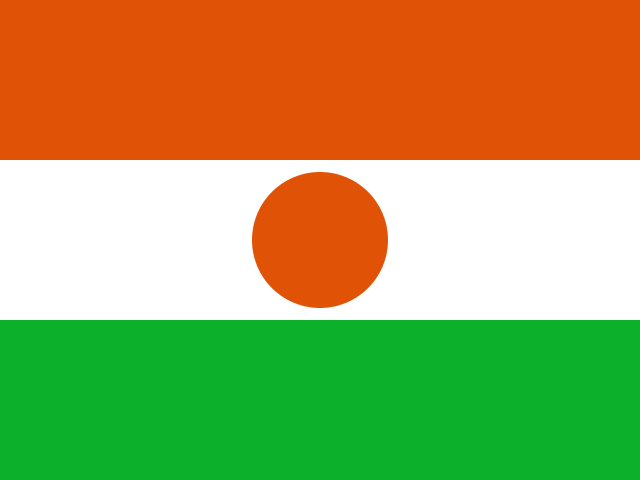
- Variant: In Niger, where it is called kokowa, famous wrestlers travel from village to village after the harvest, accompanied by musicians, marabouts and buffoons.
If you are new here
Expect drumming and a lively, convivial crowd, and know that a bout ends when one wrestler is thrown to the ground.
Provenance
Where this comes from
- Hausa | Encyclopedia.com · encyclopedia.com · 9 statementsFound by a web search on encyclopedia.com and read in full. A website is not edited or checked like a reference work: read it with care.
- traditionalsports.org · traditionalsports.org · 6 statementsFound by a web search on traditionalsports.org and read in full. A website is not edited or checked like a reference work: read it with care.
Written by our research agents from these sources, in our own words, and checked against them by a second model. A source is not proof. If it is wrong, or your family holds it differently, put us right below.
- generated: 2026-11-28
- source: https://www.encyclopedia.com/social-sciences-and-law/anthropology-and-archaeology/people/hausa
- source: https://www.traditionalsports.org/traditional-sports/africa/kokowa-or-kokawa-nigeria.html
This entry is a hypothesis awaiting its people. If your family does it differently, that difference is exactly what we want recorded.
Nearby in the library
Sunan jariri · the Hausa naming day
On the seventh day the Hausa family gathers after dawn prayers; a ram is slaughtered, the child’s head may be shaved, and the malam whispers the name with the call to prayer in the child’s ear.
Hausa · Fulani · Muslim communities of Africa
Aqiqah · the Islamic welcome sacrifice
Across Muslim Africa the seventh day brings aqiqah: a sheep or goat sacrificed in thanks (two for a boy in many communities), the baby’s head shaved, silver given in charity, and the name announced.
Muslim communities of Africa · Hausa · Swahili Coast +4
Mahr · the Islamic dower
In Muslim marriages across Africa, the groom gives the bride herself (not her family) an agreed dower: money, gold, property, or even teaching her something of value; it is hers alone.
Muslim communities of Africa · Hausa · Swahili Coast +4