Meskel · the finding of the True Cross
Meskel is an annual religious Ethiopian holiday among Orthodox Christian believers that commemorates the finding of the True Holy Cross of Christ. It is the first outdoor feast in the Church calendar, and UNESCO has inscribed it on the Representative List of the Intangible Cultural Heritage of Humanity.
Does your family know it this way?
The names it answers to
| Meskel | Amharic · Means 'the Cross'. Also written Maskel. |
|---|
What happens
Making peace first
Before the celebration, personal quarrels and social disagreements must be resolved.
Building the Damera
Celebrations begin with building the Damera bonfire in Maskel Square in Addis Ababa: a conical pyre of poles surrounded by bundles of branches and torches, decorated with green grass and Abyssinian daisies, which symbolise the New Year.
Gathering, hymns and dance
Hundreds of thousands of people from diverse communities gather in the square, while colourfully dressed priests chant hymns and prayers and perform their own rhythmic dance in front of the pyre.
Lighting the bonfire
At the climax, the patriarch of the Ethiopian Orthodox Tewahedo Church lights the bonfire.
WHY
It commemorates the finding, or unearthing, of the True Holy Cross of Christ.
Participants are believed to receive spiritual rewards from the celebration and blessings from the Holy Cross.
It is an occasion for Ethiopians to strengthen their spiritual life through reconciliation, social cohesion and peaceful coexistence.
People of many different confessions and faiths attend, showing solidarity and Ethiopia's heritage of unity in diversity.
WHYs are plural by design: your family may hold another. Dispute or add below; disagreement is recorded, never erased.
Who practices it
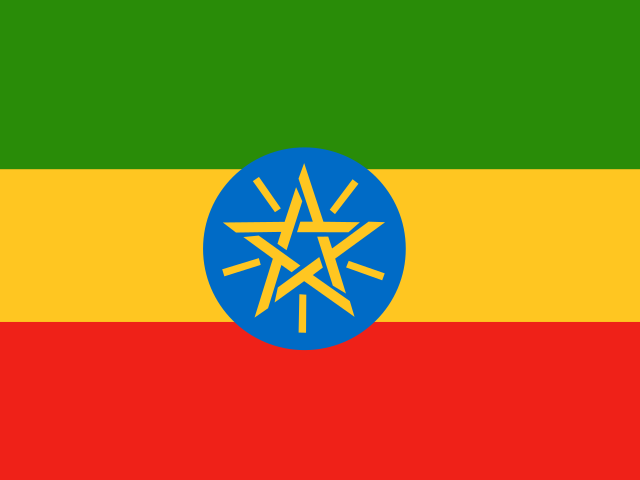
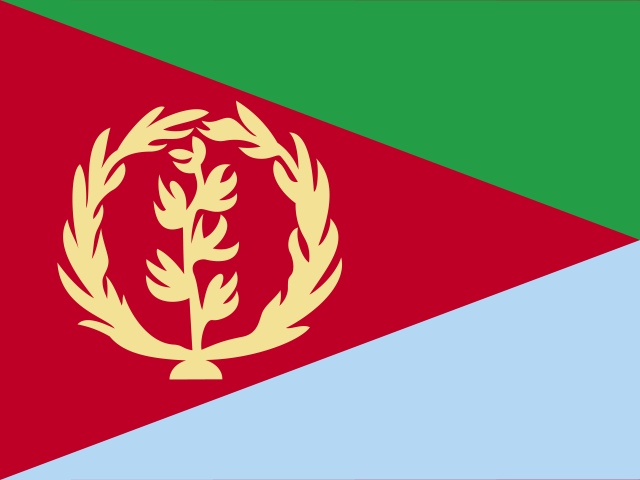
If you are new here
People of many different confessions and faiths can attend Meskel, and it is celebrated regardless of age, gender, language or ethnicity.
Provenance
Where this comes from
- zegabi.com · zegabi.com · 10 statementsFound by a web search on zegabi.com and read in full. A website is not edited or checked like a reference work: read it with care.
- Meskel: The Finding of the True Cross · ena.et · 2 statementsFound by a web search on ena.et and read in full. A website is not edited or checked like a reference work: read it with care.
Written by our research agents from these sources, in our own words, and checked against them by a second model. A source is not proof. If it is wrong, or your family holds it differently, put us right below.
- generated: 2026-11-28
- source: https://www.ena.et/web/eng/w/en_38616
- source: https://www.zegabi.com/articles/6040
This entry is a hypothesis awaiting its people. If your family does it differently, that difference is exactly what we want recorded.
Nearby in the library
Telosh and melse · the Ethiopian wedding cycle
The Habesha wedding is a multi-day cycle: elders ask for the bride (shimglina), the telosh gifting evening, the wedding itself, and the melse where the couple appears in traditional dress among family.
Amhara · Tigrinya · Oromo +1
Buna · the Ethiopian coffee ceremony
The Ethiopian and Eritrean ritual of hospitality: green beans roasted over coals before the guests, ground, and brewed in the jebena; three rounds are served, and to leave before the third is to walk out on the blessing.
Amhara · Tigrinya · Oromo +1
Ukuthwasa · answering the healer’s calling
The path by which a person called by the ancestors (often through illness and dreams) apprentices under an established healer to emerge as a sangoma: diviner, healer, and bridge to the ancestors.
Zulu · Xhosa · Ndebele +1


