Tsom · the Ethiopian Orthodox fast
Tsom is fasting as the Ethiopian Orthodox Tewahedo Church orders it: on appointed days believers hold back from food and drink, and above all from animal products and alcoholic drinks, as a way of asking God to forgive sin.
Does your family know it this way?
The names it answers to
| Tsom | Amharic |
|---|---|
| Hudadi | Amharic · a name for the fast of Lent, also called Abiye Tsome |
What happens
Keep Wednesdays and Fridays
Every week, Wednesday and Friday are fast days. They are not kept in the fifty days between Easter and Pentecost, or on Christmas (Lidit) and Epiphany (Timkat).
Set aside animal products and alcohol
On fast days, believers abstain from animal products and from alcoholic drinks, which are seen as inciting lust.
Guard the eyes, mouth and ears
A true fast also keeps the eye from seeing, the mouth from speaking and the ear from hearing evil things.
Keep the Great Fast
The Great Fast of Lent, called Hudadi or Abiye Tsome, runs for about eight weeks. Its last week is Passion Week, Semone Himamati.
Keep the other fasts of the year
These include the Fast of the Apostles after Pentecost, which lasts 10 to 40 days, and the 16-day fast of Assumption. They also include the 40-day fast before Christmas, which runs from Sibket on 15th Hedar to Christmas eve, the three-day fast of Nineveh, and the fast on the eve of Epiphany.
WHY
Fasting is a way of beseeching God and asking forgiveness for sin.
Wednesdays and Fridays are kept because on Wednesday Jesus was rejected and condemned, and on Friday he was crucified.
Fasting follows the teaching and practice of the apostles and the Church Fathers.
In Passion Week believers remember the Passion of Christ, as the Apostles did when they fasted.
The fast of Nineveh remembers the preaching of Jonah.
WHYs are plural by design: your family may hold another. Dispute or add below; disagreement is recorded, never erased.
Who practices it
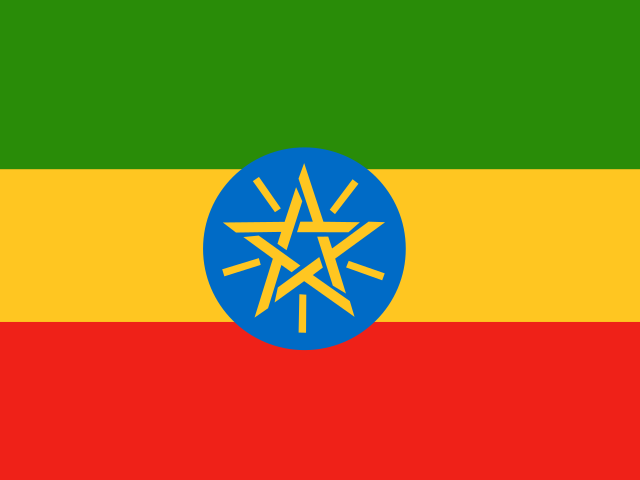
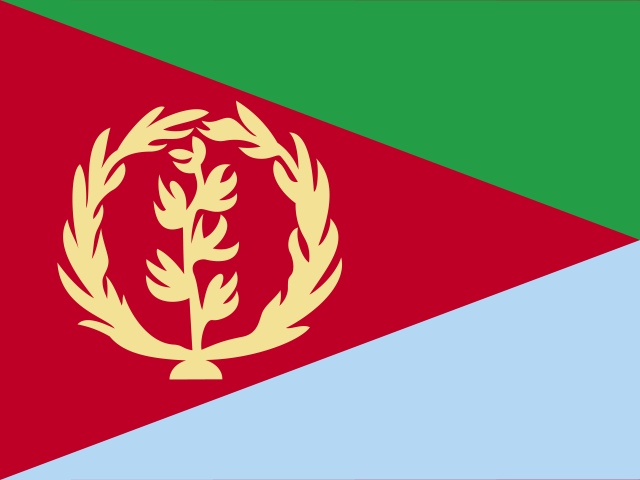
- Variant: There are about 250 fasting days a year. About 180 are kept by everyone, and the rest only by priests, monks, nuns and other special groups.
- Variant: A priest may set a fast of repentance after sin, lasting seven days, forty days or one year.
- Variant: A bishop keeps a fast when he is consecrated.
- Variant: A person may choose a fast of desire, to grow in God's sight or to master the body through extra good works.
At the table
2 dishes that belong to this custom.
Gomen
Gomen wat is a dish of collard greens braised with onion, garlic, ginger and spice until they wilt but keep some bite.
Ethiopian & Eritrean Orthodox
Atkilt wat
Atkilt wat is a mild stew of cabbage, carrots and potatoes cooked with turmeric, garlic and a touch of chili.
Ethiopian & Eritrean Orthodox
If you are new here
On a Wednesday or Friday, or during one of the long fasts, expect meals without animal products or alcohol.
Provenance
Where this comes from
- The Ethiopian Orthodox Tewahedo Church · ethiopianorthodox.org · 14 statementsFound by a web search on ethiopianorthodox.org and read in full. A website is not edited or checked like a reference work: read it with care.
- The Order of Fasts | Keraneyo MedhaneAlem · eotc-ma.com · 8 statementsFound by a web search on eotc-ma.com and read in full. A website is not edited or checked like a reference work: read it with care.
Written by our research agents from these sources, in our own words, and checked against them by a second model. A source is not proof. If it is wrong, or your family holds it differently, put us right below.
- generated: 2026-11-28
- source: https://www.ethiopianorthodox.org/english/calendar.html
- source: https://www.eotc-ma.com/the-order-of-fasts
This entry is a hypothesis awaiting its people. If your family does it differently, that difference is exactly what we want recorded.
Nearby in the library
Telosh and melse · the Ethiopian wedding cycle
The Habesha wedding is a multi-day cycle: elders ask for the bride (shimglina), the telosh gifting evening, the wedding itself, and the melse where the couple appears in traditional dress among family.
Amhara · Tigrinya · Oromo +1

Buna · the Ethiopian coffee ceremony
The Ethiopian and Eritrean ritual of hospitality: green beans roasted over coals before the guests, ground, and brewed in the jebena; three rounds are served, and to leave before the third is to walk out on the blessing.
Amhara · Tigrinya · Oromo +1
Ukuthwasa · answering the healer’s calling
The path by which a person called by the ancestors (often through illness and dreams) apprentices under an established healer to emerge as a sangoma: diviner, healer, and bridge to the ancestors.
Zulu · Xhosa · Ndebele +1


