Xeer · Somali customary law, kept by clan elders
Xeer is Somali customary law: unwritten conventions and procedures passed down orally through generations. It defines rights and obligations between kin and clans, and it is used across Somalia for matters from petty crime and family disputes to murder.
Does your family know it this way?
The names it answers to
| Xeer | Somali |
|---|---|
| Xeer Soomaali | Somali · Somali customary law |
What happens
Elders gather
Councils of elders known as xeer-beegti, who hold specialist knowledge of customary law, negotiate the matter.
Agreement by consensus
The elders work toward consensus, and all parties must follow the final agreement.
Compensation is settled
In murder cases elders typically settle the dispute with financial reparation called diya, or blood money. Compensation was historically paid in camels or other goods, and it is paid to the clan.
WHY
It sets out reciprocal rights and obligations between kin and clans, covering domestic matters, social welfare, political relations, property and the care of natural resources.
It aims to resolve conflicts between clans peacefully and to prevent retaliatory bloodshed.
It protects women, children and elders, who are 'spared from the spear' (biri-ma-geydo), and it forbids certain violent practices.
It has long been central to Somali identity.
WHYs are plural by design: your family may hold another. Dispute or add below; disagreement is recorded, never erased.
Who practices it
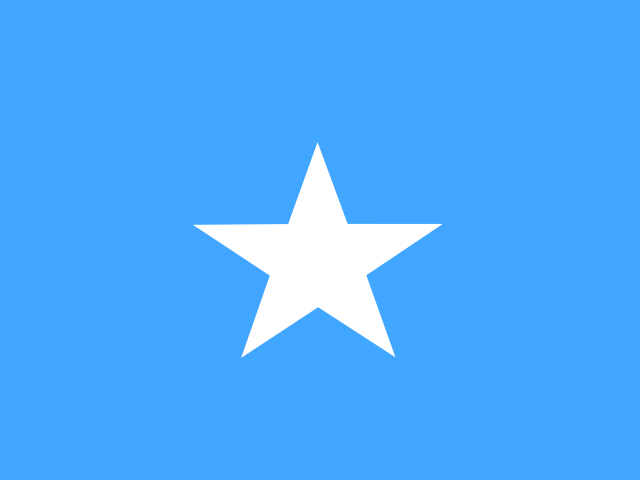

- Variant: Xeer is specific to the relations between any two clans or sub-clans, though some rules, on diya, marriage and property, are common to all Somali communities.
- Variant: Different rules exist for different ways of living, such as farming and herding.
- Variant: In local peace processes, the peace accord itself becomes, in effect, a new xeer between the parties.
Provenance
Where this comes from
- c-r.org · c-r.org · 7 statementsFound by a web search on c-r.org and read in full. A website is not edited or checked like a reference work: read it with care.
- Pluralism at work: 'Justice' in Somalia · sahan.global · 5 statementsFound by a web search on sahan.global and read in full. A website is not edited or checked like a reference work: read it with care.
Written by our research agents from these sources, in our own words, and checked against them by a second model. A source is not proof. If it is wrong, or your family holds it differently, put us right below.
- generated: 2026-11-28
- source: https://www.c-r.org/accord/somalia/order-out-chaos-somali-customary-law-puntland-and-somaliland
- source: https://sahan.global/issues/the-somali-wire/sw-issue-no-687
This entry is a hypothesis awaiting its people. If your family does it differently, that difference is exactly what we want recorded.
Nearby in the library
Aqiqah · the Islamic welcome sacrifice
Across Muslim Africa the seventh day brings aqiqah: a sheep or goat sacrificed in thanks (two for a boy in many communities), the baby’s head shaved, silver given in charity, and the name announced.
Muslim communities of Africa · Hausa · Swahili Coast +4


Mahr · the Islamic dower
In Muslim marriages across Africa, the groom gives the bride herself (not her family) an agreed dower: money, gold, property, or even teaching her something of value; it is hers alone.
Muslim communities of Africa · Hausa · Swahili Coast +4
The braai · fire, meat, and everyone
Southern Africa’s great equalizer: a wood fire, meat, and unhurried company. Every community braais, and 24 September is celebrated by many as National Braai Day alongside Heritage Day.
South Africans · Zimbabweans · Afrikaners +5