Muslim communities of Africa
A quarter of the world’s Muslims are African; aqiqah, walima, mahr, and iddah shape rites continent-wide.
 Nigeria
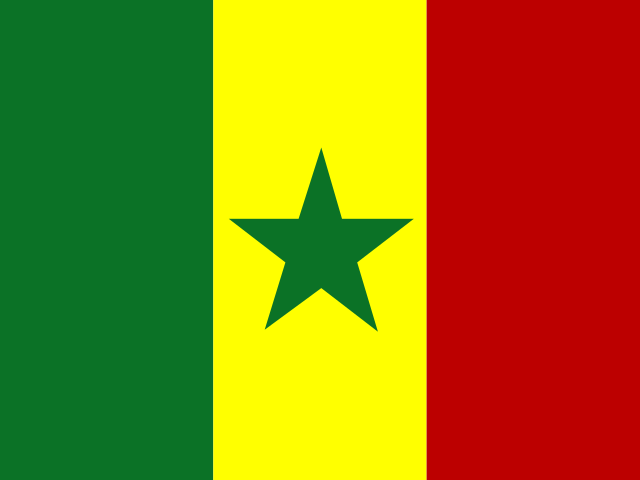 Senegal
 Mali
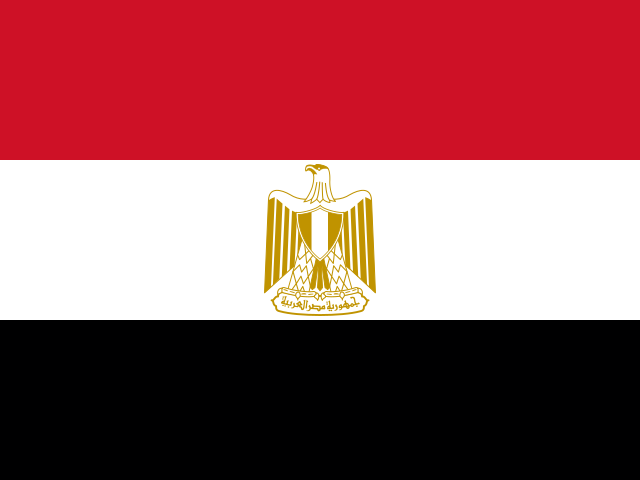 Egypt
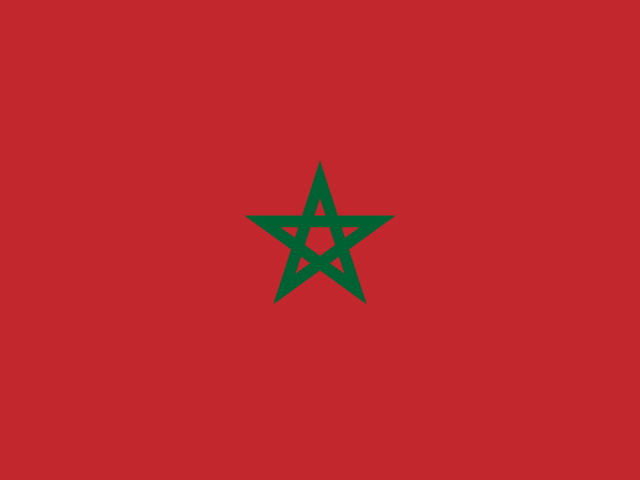 Morocco
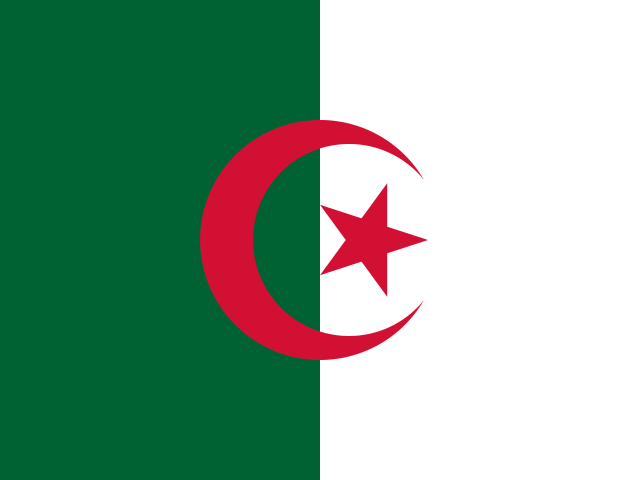 Algeria
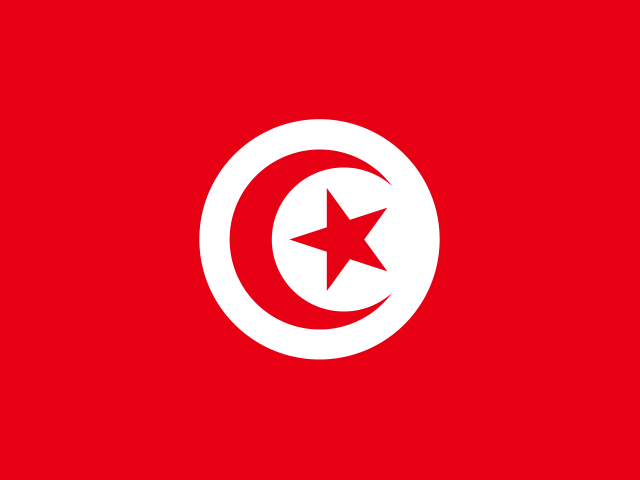 Tunisia
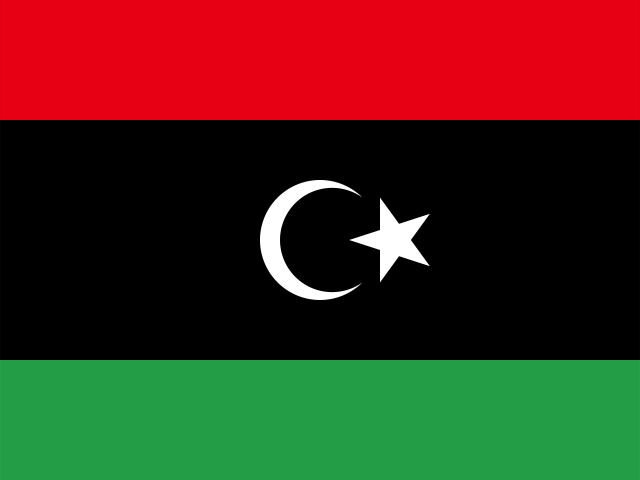 Libya
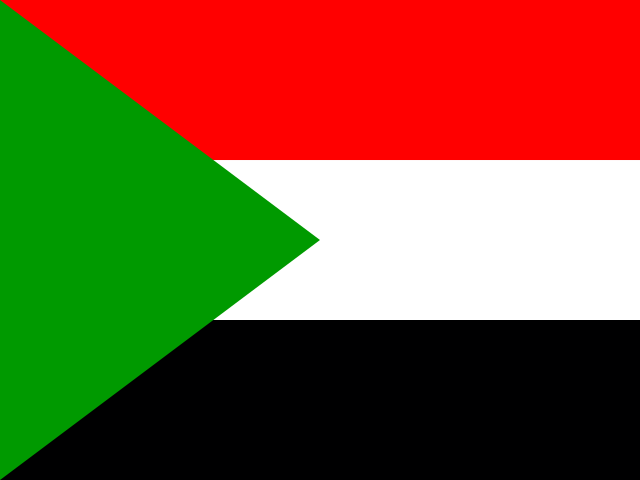 Sudan
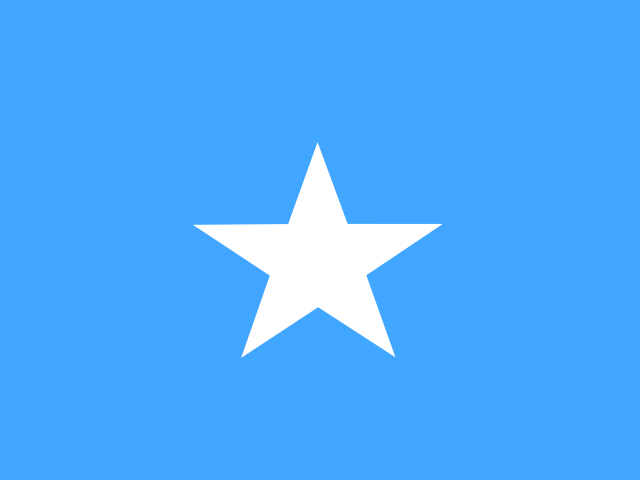 Somalia
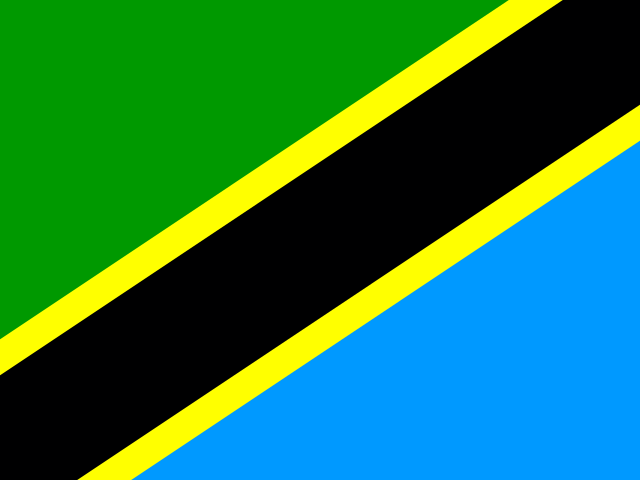 Tanzania
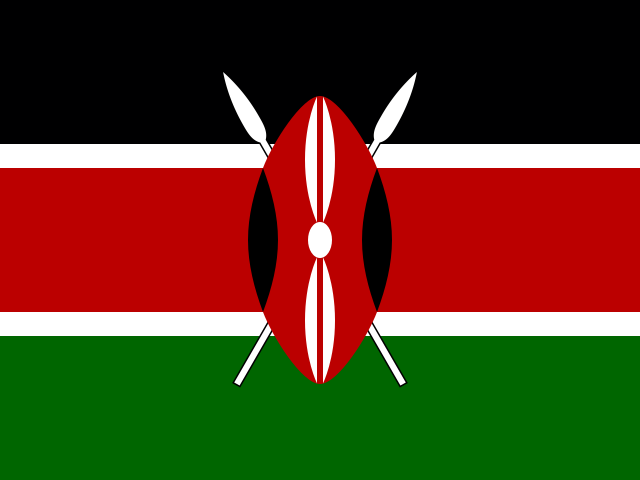 Kenya
 South AfricaArabic (liturgical)many local languages
Customs they practice
8 recorded rites, each with its steps and its WHY.
Sunan jariri · the Hausa naming day
On the seventh day the Hausa family gathers after dawn prayers; a ram is slaughtered, the child’s head may be shaved, and the malam whispers the name with the call to prayer in the child’s ear.
Hausa · Fulani · Muslim communities of Africa
Ngente · the Wolof naming day
The Senegalese eighth-day celebration: the child is named in the morning rite, and the afternoon becomes a grand social feast where the griot proclaims the name and lineage.
Wolof · Muslim communities of Africa
Sebou · the Egyptian seventh-day welcome
Egypt’s seventh-day celebration, older than Islam and Christianity in the Nile valley: the baby is carried in procession with candles, sieved and gently instructed, amid song and noise to make the child brave.
Egyptians · Coptic Orthodox Christians · Muslim communities of Africa
Aqiqah · the Islamic welcome sacrifice
Across Muslim Africa the seventh day brings aqiqah: a sheep or goat sacrificed in thanks (two for a boy in many communities), the baby’s head shaved, silver given in charity, and the name announced.
Muslim communities of Africa · Hausa · Swahili Coast +4
The henna night
Across North Africa, the Swahili coast, and the Cape, the bride’s hands and feet are adorned with henna on a music-filled night before the wedding, surrounded by the women of both families.
Amazigh · Egyptians · Swahili Coast +2for women
Mahr · the Islamic dower
In Muslim marriages across Africa, the groom gives the bride herself (not her family) an agreed dower: money, gold, property, or even teaching her something of value; it is hers alone.
Muslim communities of Africa · Hausa · Swahili Coast +4
ʿIddah · the Islamic mourning period
Across Muslim Africa a widow observes iddah: four months and ten days of staying close to home in plain dress, a protected mourning in which the community owes her care and her affairs settle.
Muslim communities of Africa · Swahili Coast · Hausa +3for women
Al-arbaʿīn · the fortieth day
Egypt marks the fortieth day after a death with a major gathering of condolence and remembrance: Qur’anic recitation or memorial mass, visits to the grave, and the end of the first mourning: a custom with pharaonic echoes.
Egyptians · Coptic Orthodox Christians · Muslim communities of Africa
What they wear
3 pieces, what it says and who may wear it.
Kofia
A brimless, flat-topped cap, often intricately embroidered in white-on-white or gold thread, worn by Swahili Coast Muslim men for prayer and formal occasions.
Swahili Coast · Muslim communities of Africa

Kufi
A short, rounded, brimless cap worn by Muslim men across West Africa, ranging from plain everyday cotton to densely embroidered formal versions.
Hausa · Fulani · Muslim communities of Africa
Henna adornment
Intricate reddish-brown patterns painted onto the hands and feet with henna paste, worn especially by brides in the days before a North African and wider Muslim-community wedding.
Amazigh · Muslim communities of Africa
Names from this tradition
9 names in the decoder, meaning first.
Aminata
machine draftTrustworthy, faithful.
Given nameWolof & Mandinka (Senegal, Mali, West Africa)
Amina
machine draftTrustworthy; the warrior queen’s name.
Given nameHausa (Nigeria, Niger)
Baraka
machine draftBlessing.
Given nameSwahili coast (East Africa)
Ayaan
machine draftGood fortune; a blessed life.
Given nameSomali (Somalia, Djibouti & the Horn)
Karima
machine draftGenerous
Given nameArabic
Marwa
machine draftminerals, flint-stone, quartz, or a hard stone of nearly pure silica
Given nameArabic
Muhammad
machine draftpraiseworthy, praised, commendable, laudable
Given nameArabic
Muideen
machine draftA guide of the Islamic religion
Given nameNigerian, Arabic origin
Saidat
machine drafthappy and fortunate
Given nameArabic