Korité · the feast that ends Ramadan in Senegal and the Gambia
Korité, known in Arabic as Eid al-Fitr and in the Gambia as Koriteh, celebrates the end of the Muslim holy month of Ramadan and is an important holiday in Senegal and across West Africa. It is usually celebrated for three days, with special prayers and feasting with family and friends.
Does your family know it this way?
The names it answers to
| Eid al-Fitr | Arabic · The Arabic name for Korité |
|---|
What happens
New clothes
In Senegal, families typically have new clothes made for the holiday.
Morning prayer
On the morning of the feast, people go to their local mosques around 10 a.m. for a short prayer and a quick sermon.
Giving alms
Giving alms is expected, so people in need are often found outside the mosques.
Visiting and asking forgiveness
After the prayer, people visit friends and family, ask forgiveness for their wrongs against them, and pray for peace, good health and luck for the country in the coming year.
Children's Salibo
Children may knock on doors asking for Salibo, a gift of money or sweets.
Feasting and celebration
Feasting with family and friends follows, with daytime and evening celebrations.
WHY
It marks the end of Ramadan, the Muslim holy month.
It is a feast of relief after the month of Ramadan.
It is a time to ask forgiveness of friends and family and to pray for peace, good health and luck for the country in the year ahead.
It is a time for exchanging gifts and giving to those in need.
WHYs are plural by design: your family may hold another. Dispute or add below; disagreement is recorded, never erased.
Who practices it


- Variant: In the Gambia, men often wear their newest kaftans and women the latest Grand Mbubas to the morning prayer.
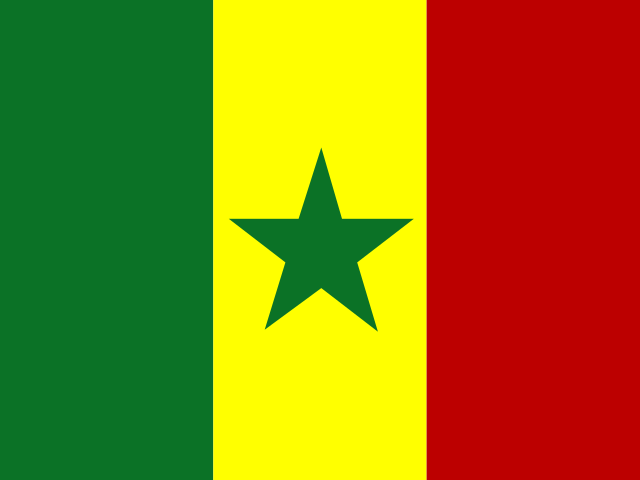
- Variant: In Senegal, Korité is a national holiday, and many families travel from the cities to their rural home villages to celebrate with extended family.
- Variant: In the Gambia, newspapers often carry specially placed notices wishing the president good health at this time.
If you are new here
Children may come knocking at your door asking for Salibo, a small gift of money or sweets.
Provenance
Where this comes from
- Gambia - Koriteh · accessgambia.com · 8 statementsFound by a web search on accessgambia.com and read in full. A website is not edited or checked like a reference work: read it with care.
- Korité: Celebrating the end of Ramadan in Senegal | Blog Posts | CREATE! · createaction.org · 6 statementsFound by a web search on createaction.org and read in full. A website is not edited or checked like a reference work: read it with care.
Written by our research agents from these sources, in our own words, and checked against them by a second model. A source is not proof. If it is wrong, or your family holds it differently, put us right below.
- generated: 2026-11-28
- source: https://www.accessgambia.com/information/koriteh-eid-ul-fitr.html
- source: https://www.createaction.org/blog/korite-celebrations/
This entry is a hypothesis awaiting its people. If your family does it differently, that difference is exactly what we want recorded.
Nearby in the library
Sunan jariri · the Hausa naming day
On the seventh day the Hausa family gathers after dawn prayers; a ram is slaughtered, the child’s head may be shaved, and the malam whispers the name with the call to prayer in the child’s ear.
Hausa · Fulani · Muslim communities of Africa

Ngente · the Wolof naming day
The Senegalese eighth-day celebration: the child is named in the morning rite, and the afternoon becomes a grand social feast where the griot proclaims the name and lineage.
Wolof · Muslim communities of Africa
Sebou · the Egyptian seventh-day welcome
Egypt’s seventh-day celebration, older than Islam and Christianity in the Nile valley: the baby is carried in procession with candles, sieved and gently instructed, amid song and noise to make the child brave.
Egyptians · Coptic Orthodox Christians · Muslim communities of Africa